
The Hands That Create Magic
The beauty of a China lantern festival lies in the traditional techniques passed down through generations of Zigong artisans. Despite modern technology, the core craft remains handwork — every bend, every seam, every brushstroke is done by human hands. This article reveals the techniques behind the art.
Framework Bending (Zha Gu)
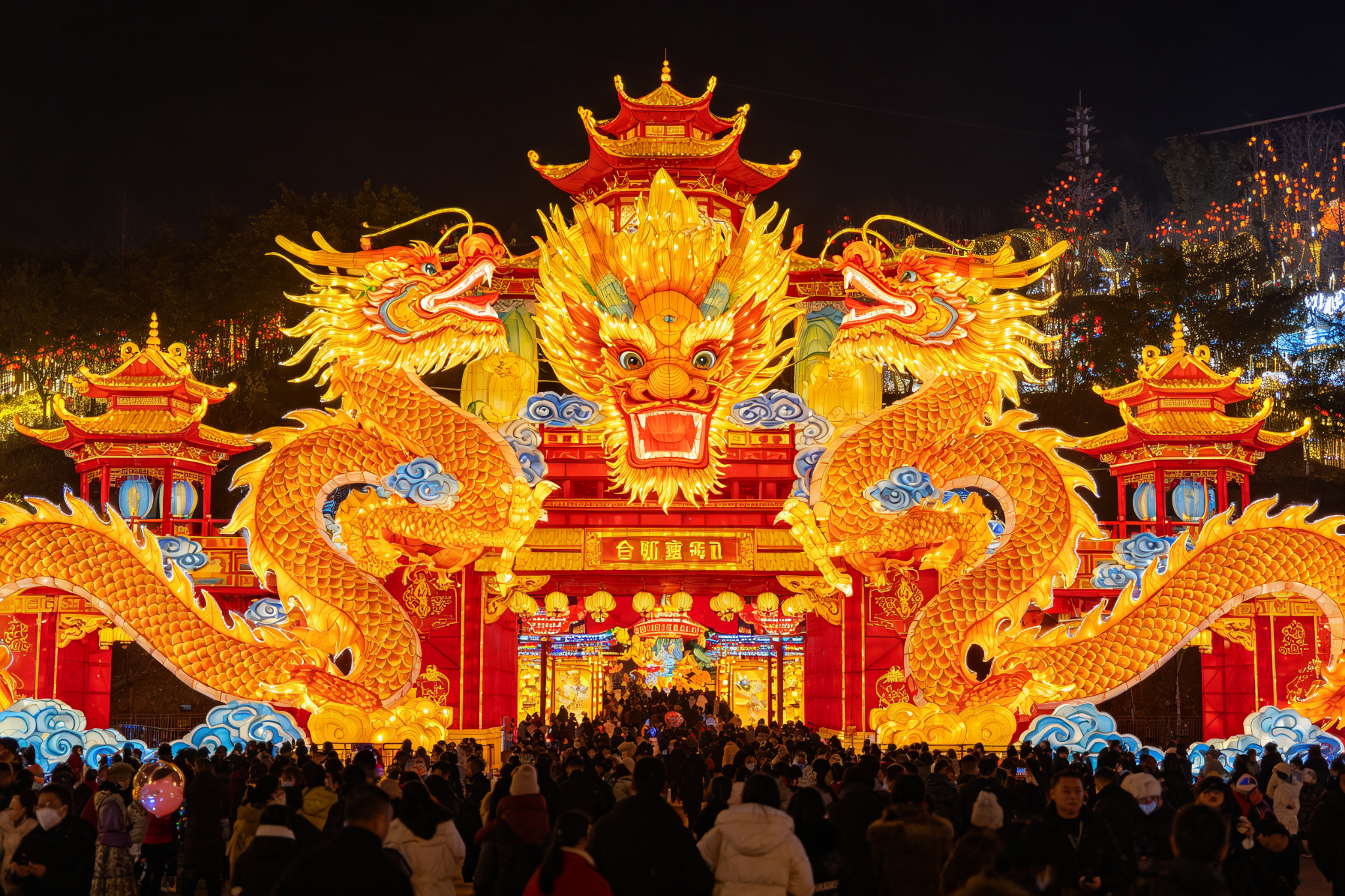
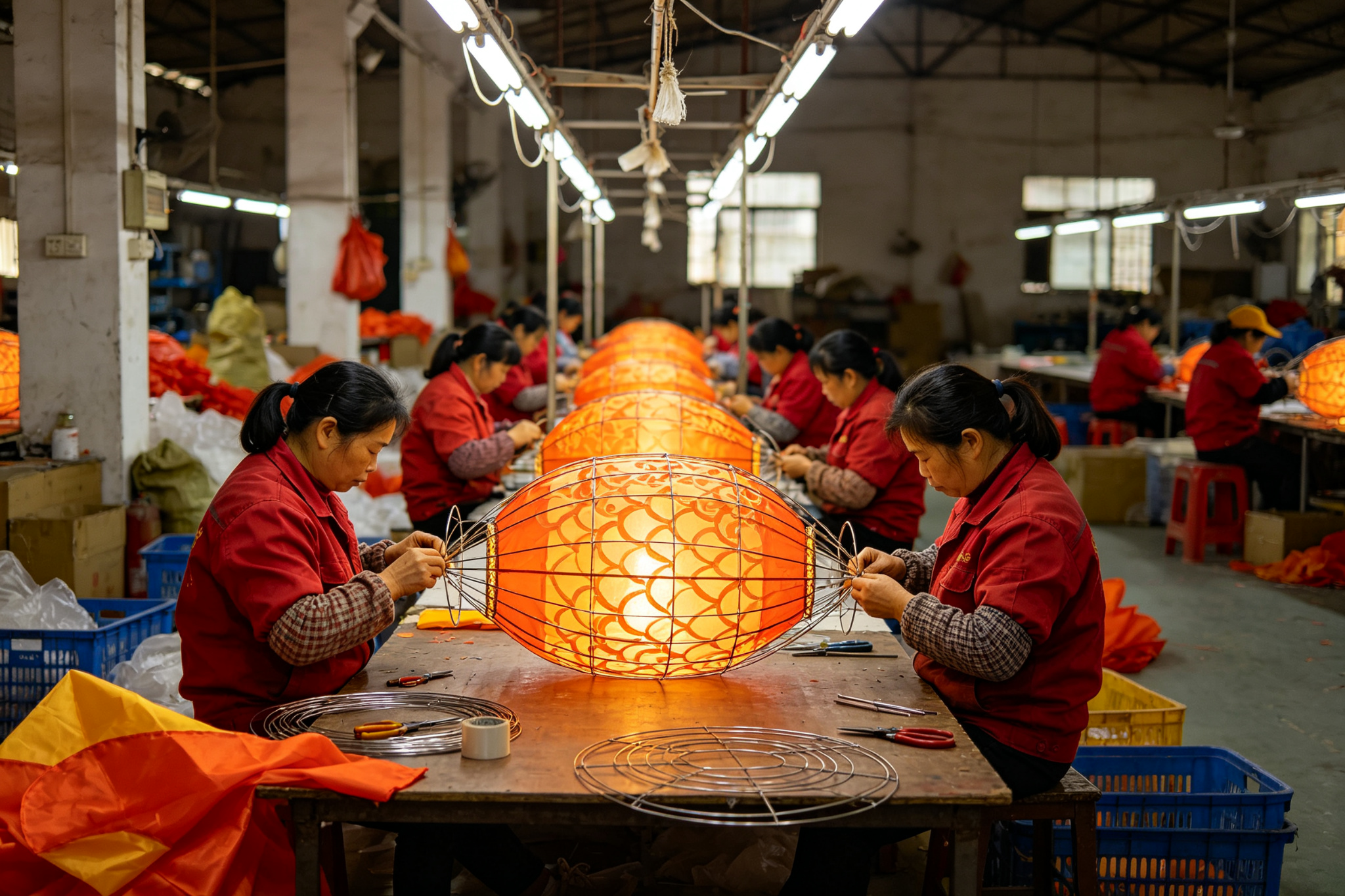
The first step is creating the steel framework. Artisans bend galvanized steel rod by hand, using jigs and templates to achieve precise curves. A 50-meter dragon requires 5,000+ individual bends and welds. Master framework artisans can bend steel into any shape — from delicate flower petals to muscular animal forms — with only a torch, pliers, and practiced eye. Joints are MIG-welded, ground smooth, and treated with anti-rust primer.
Fabric Application (Hu Biao)
Applying fabric to the framework is a specialized skill. Artisans cut waterproof silk or PVC to pattern pieces, stretch them over the framework with consistent tension, and bond with industrial adhesive. The fabric must be taut enough to look smooth when illuminated but flexible enough to withstand wind. Seams are trimmed to 5mm clean edges. A single large animal can require 200+ fabric pieces, each custom-cut to fit its framework section.
Hand-Painting (Cai Hui)
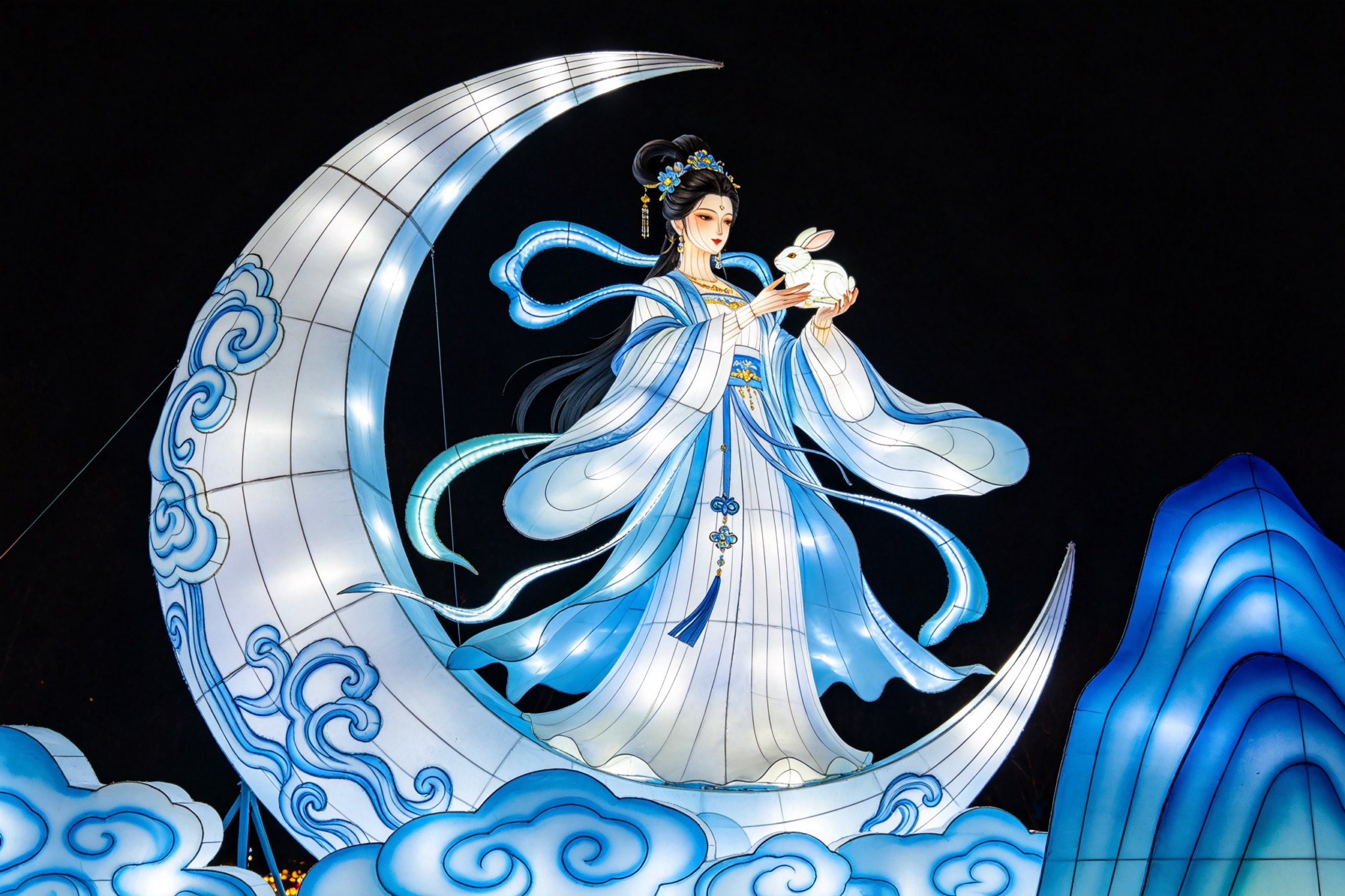
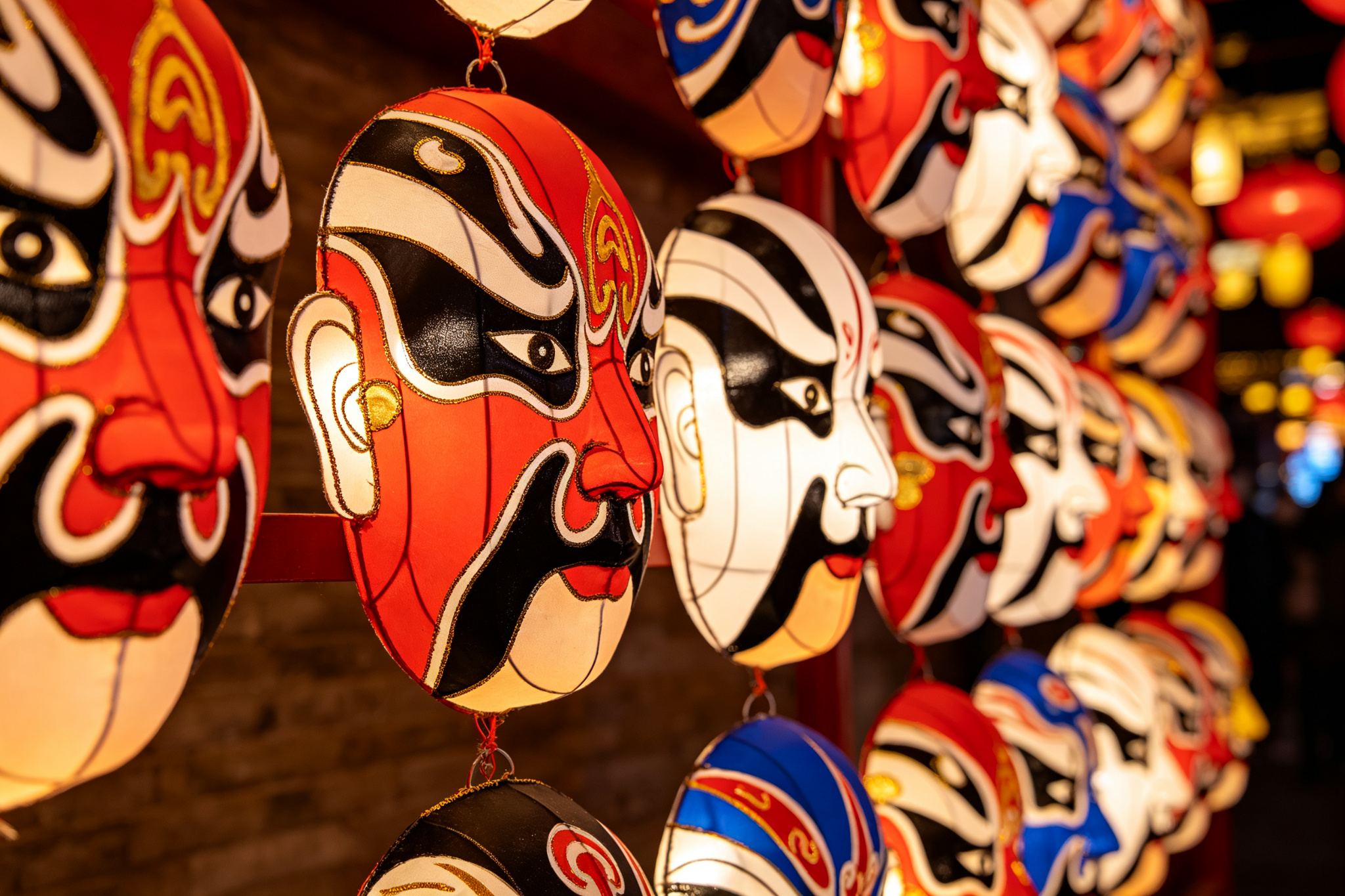
Painting is where lanterns truly come to life. Master painters use automotive-grade acrylics to add details: animal fur texture, scale patterns, facial expressions, architectural details, and decorative motifs. Painting requires both artistic skill and technical knowledge — colors must be opaque enough to show through backlighting, gradients must be smooth, and fine details must read from 10+ meters away. A master painter may spend 40+ hours on a single large piece.
Traditional Palace Lantern Making
Palace lanterns (gongdeng) represent the most refined traditional technique. These multi-sided lanterns feature: carved wooden frames (often with intricate openwork), silk panels painted with landscapes, calligraphy, or figures, and hanging tassels. The craft involves woodworking, silk stretching, painting, and assembly — each done by specialists. A single elaborate palace lantern can take 2-3 weeks to complete.
Walking Horse Lantern (Zouma Deng)
This ingenious traditional lantern uses heat convection to spin an inner cylinder, creating moving shadow scenes. A small heat source (now LED) warms air, turning a fan-like rotor attached to a paper cylinder with cutout figures. The moving shadows project onto the outer lantern surface. This 1,000-year-old mechanism is an early example of animation technology.
Modern Adaptations
While core techniques remain traditional, modern tools enhance the craft: 3D modeling helps design complex pieces before fabrication, LED lighting replaces dangerous candles with infinite color options, and waterproof materials enable outdoor use. But the human hand remains essential — no machine can replicate the subtle curves, tension, and brushwork of master artisans.
Training the Next Generation
Zigong's lantern craft faces a challenge: young people are less interested in demanding manual trades. Zigong Sun Culture addresses this through: apprenticeship programs (3-5 year training with master artisans), competitive compensation and career paths, and integration of digital skills (CAD design, LED programming) alongside traditional craft. Our youngest master artisans are in their early 30s, ensuring the tradition continues.
Experience the Craft
When you attend a China lantern festival, take a moment to appreciate the handwork: the thousands of bends in a dragon's framework, the seamless fabric on a flower's petals, the fine brushwork on a figure's face. Each piece represents weeks of skilled human labor. That's the magic of the China lantern festival — technology may change, but craftsmanship endures.
Contact Zigong Sun Culture to commission lanterns made with these authentic traditional techniques.