
The ultimate guide to lantern festivals. Discover history, types, planning, costs, venues, and manufacturers. Learn how to create your own unforgettable light celebration.
Everything you need to know about lantern festivals: history, types, planning, costs, venues, manufacturers, and how to create your own unforgettable light celebration.
A lantern festival is a large-scale event featuring hundreds of illuminated sculptures, installations, and displays crafted from steel frames, silk or fabric skins, and internal LED lighting. Originating in China over 2,000 years ago, lantern festivals have evolved into global cultural phenomena.
Modern lantern festivals range from intimate garden trails with 20-30 displays to massive city-wide celebrations with 200+ lantern sets covering 50,000+ square meters. They combine art, technology, culture, and entertainment to create immersive nighttime experiences.
Unlike temporary light shows, lantern festivals are physical installations that visitors walk through, photograph, and experience up close — creating lasting memories and significant social media engagement.
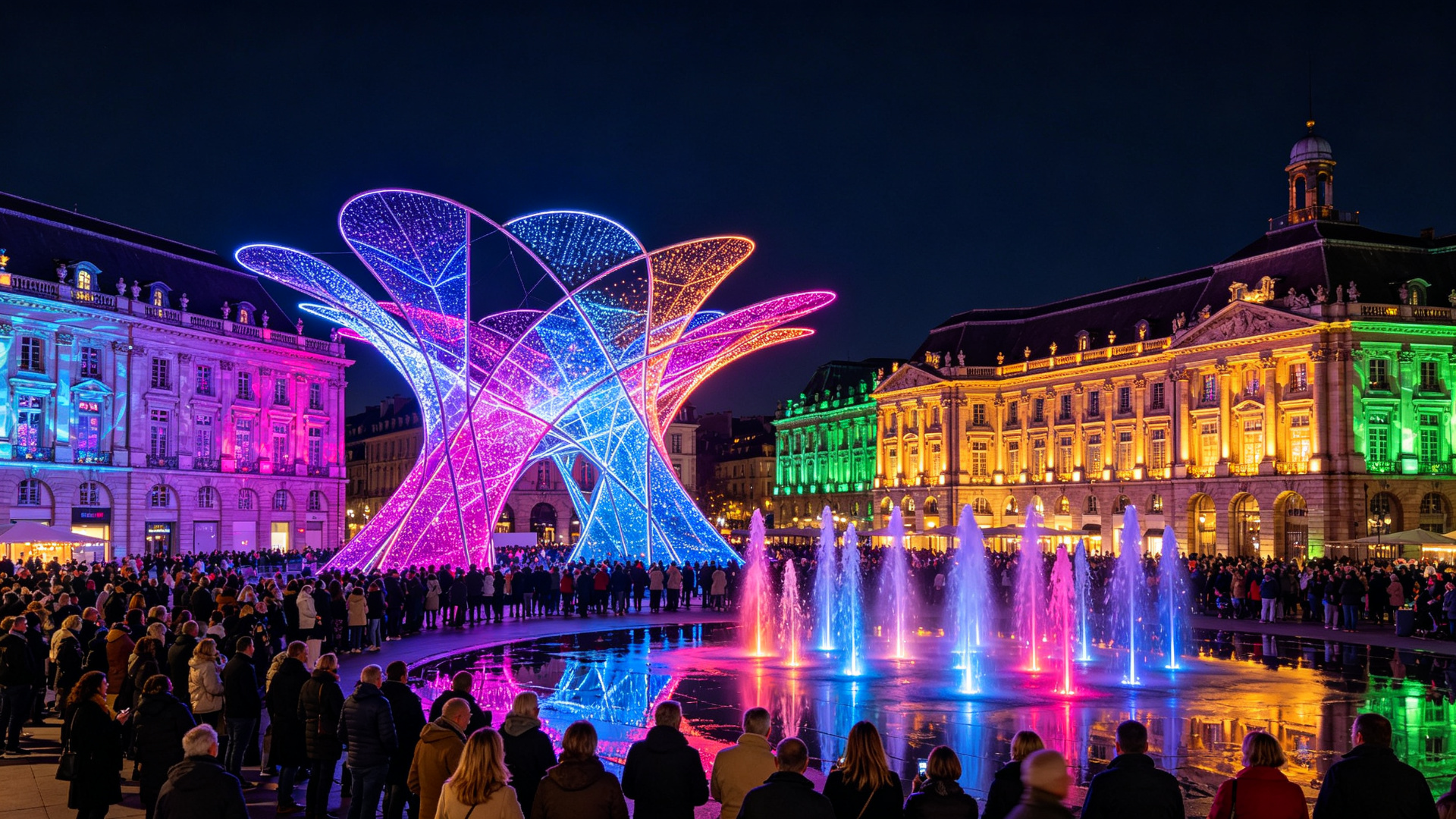
Authentic Chinese New Year celebrations with dragons, palaces, zodiac animals, and classical themes. Peak season: Jan-Feb.
Contemporary interactive light art: LED sculptures, projection mapping, infinity rooms, and immersive environments for museums and galleries.
Lanterns representing global cultures: European, Middle Eastern, African, Asian, and Latin American designs for multicultural events.
Any theme imaginable: animals, dinosaurs, space, ocean, fairy tales, movies, brands. Fully custom designs for unique experiences.
Christmas, Halloween, Thanksgiving, Easter, and summer-themed lantern displays for seasonal attractions and retail centers.
Architectural illumination, garden lighting, waterfront shows, and city-wide LED systems for urban beautification.
Complete end-to-end festival: design, manufacturing, shipping, installation, operations, marketing, and ticketing support.
Individual lantern products for retail, events, weddings, parties, and home decoration. 60+ standard designs available.
6-9 Months Before: Define goals, budget, venue, and theme. Research manufacturers and request proposals. Visit factory if possible.
4-6 Months Before: Finalize design and sign contract. Begin manufacturing. Secure permits, insurance, and vendor contracts.
2-3 Months Before: Approve production samples. Book shipping. Launch marketing and ticket sales. Hire and train staff.
1 Month Before: Products arrive. Begin installation. Conduct safety inspections. Test all lighting and electrical systems.
Opening Week: Final testing, staff training, press preview, and grand opening. On-site team remains for duration of event.
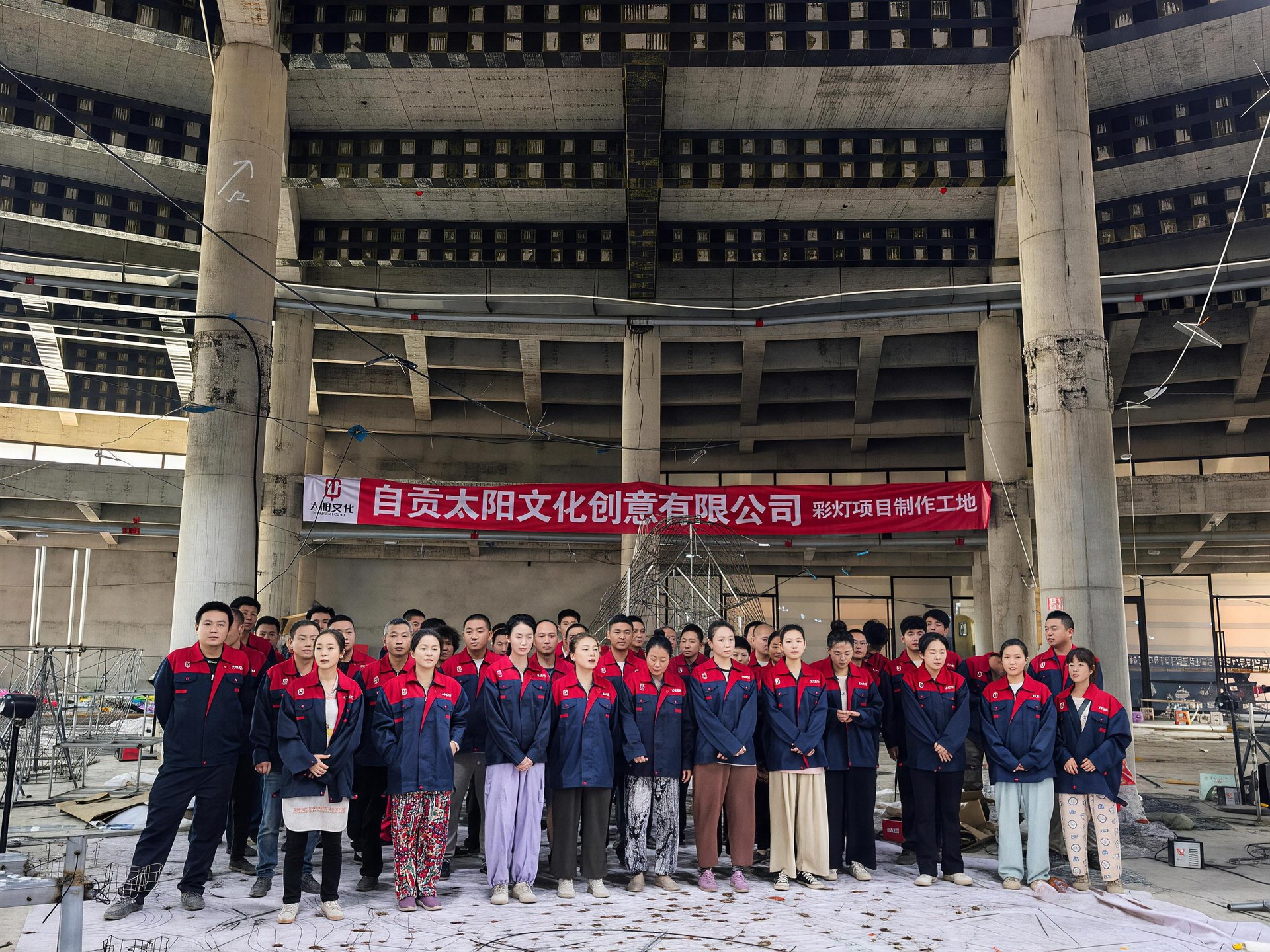
20-30 lanterns, 1-2 acre venue, 4-6 week run. Ideal for botanical gardens, small parks, and community events.
50-80 lanterns, 3-10 acres, 6-8 week run. Zoos, larger parks, mid-size cities. 50K-150K visitors.
100-200+ lanterns, 10-50 acres, 8-12 week run. Major cities, theme parks. 150K-500K+ visitors.
Costs include design, manufacturing, shipping, and installation. Venue rental, marketing, staffing, and insurance are additional.
Planning a successful lantern festival requires careful coordination across multiple phases. Begin 9-12 months in advance with venue selection, considering factors like available space, electrical capacity, parking, accessibility, and local regulations. Develop a budget covering lantern production (typically 40-50% of total), installation and labor (15-20%), venue and permits (10-15%), marketing (8-12%), operations and staffing (8-10%), and contingency (5-10%). Select a theme that resonates with your target audience, whether cultural, seasonal, or fantasy-based. Work with a reputable manufacturer like Zigong Sun Culture for concept design, 3D renderings, and production. Secure necessary permits including event permits, electrical inspections, fire safety approvals, and noise permits. Plan your marketing campaign 3-4 months before opening, using social media, local press, influencer partnerships, and early-bird ticket pricing. Prepare operational plans for ticketing, crowd management, food and beverage, restrooms, first aid, and emergency response. With thorough planning, a lantern festival can deliver memorable experiences and strong financial returns.
Understanding the full cost structure and revenue potential is critical for lantern festival success. Production costs vary widely: small community festivals (10-20 lanterns) cost $50,000-$150,000; mid-size city festivals (30-50 lanterns) cost $200,000-$500,000; and large-scale festivals (50+ lanterns across multiple zones) cost $500,000-$2 million+. Revenue streams include ticket sales (typically 50-70% of revenue), food and beverage concessions (15-25%), merchandise sales (5-10%), sponsorships and partnerships (10-20%), and premium experiences like VIP tours or lantern-making workshops. To maximize revenue, implement dynamic pricing with peak and off-peak rates, offer family packages and group discounts, secure title sponsors and zone sponsors, and create exclusive merchandise. Many festivals achieve break-even within the first 2-3 weeks of a 6-8 week run, with later weeks generating pure profit. Successful festivals often see 30-50% return on investment, with top performers exceeding 100% ROI.
The lantern festival industry is evolving rapidly with emerging technologies and changing audience expectations. Interactive lanterns with motion sensors, touch responsiveness, and mobile app integration are becoming standard, allowing visitors to control colors and patterns. Projection mapping combined with physical lantern sculptures creates hybrid displays that blend physical and digital art. Drone light shows are increasingly integrated into festival opening and closing ceremonies, creating spectacular aerial displays synchronized with music. Sustainability is a growing focus, with solar-powered lanterns, biodegradable materials, and energy-efficient LED systems reducing environmental impact. Immersive and experiential design is replacing passive viewing, with walk-through environments, themed zones with actors and performers, and multi-sensory experiences incorporating sound, scent, and touch. Virtual and augmented reality elements are being tested, allowing visitors to unlock additional digital content through their phones. Festivals are also placing greater emphasis on educational content, cultural storytelling, and community engagement, transforming from simple light displays into rich cultural experiences that attract diverse audiences across age groups and interests.
Successful lantern festivals require strategic marketing that builds awareness, drives ticket sales, and creates memorable experiences worth sharing. Our recommended marketing strategy allocates 8-12% of total budget to promotion, distributed across digital advertising (40%), social media (25%), public relations and media (15%), local partnerships (10%), and email marketing (10%). Key tactics include early-bird ticket campaigns 3 months before opening, influencer partnerships with local lifestyle and family content creators, drone footage and professional photography for media kits, and community preview nights for local residents and press. Social media content should showcase behind-the-scenes production, visitor reactions, and time-lapse videos of installation. Many successful festivals achieve 30-40% of ticket sales through word-of-mouth referrals, making visitor experience the most powerful marketing tool. We provide marketing consultation as part of our turnkey service, including target audience analysis, channel recommendations, and creative direction for promotional materials.
Lantern festival costs vary dramatically based on scale, duration, location, and scope. Small community festivals (10-20 lanterns, 2-4 weeks) cost $50,000-$150,000. Mid-size city festivals (30-50 lanterns, 6-8 weeks) cost $200,000-$500,000. Large-scale destination festivals (50+ lanterns, 8-12 weeks) cost $500,000-$2 million+. These figures include lantern production, shipping, and installation but exclude venue rental, marketing, staffing, and operations. Revenue from ticket sales, concessions, merchandise, and sponsorships typically ranges from 1.5x to 3x the production investment for well-executed festivals, with many events achieving profitability within the first 2-3 weeks of operation.
The optimal timing for a lantern festival depends on your market and goals. In temperate climates, fall (September-November) and winter (December-February) are ideal because longer nights maximize viewing time and cooler weather improves visitor comfort. Many festivals tie into holiday periods like Christmas, New Year, Chinese New Year, or Valentine Day to leverage existing consumer traffic. In warmer climates, winter months are preferred to avoid extreme heat. Spring and summer can work but require more robust weather protection and may compete with other outdoor events. We recommend scheduling your festival during a period with 3+ hours of darkness per night and avoiding peak holiday weekends when venue and labor costs are highest.
Professional lantern festivals are designed to withstand typical weather conditions including rain, wind, and moderate snow. All lanterns use waterproof materials, sealed electrical connections, and wind-rated structural frames (typically 100-120 km/h wind resistance). However, extreme weather (hurricanes, heavy snowfall, thunderstorms) may require temporary closure for visitor safety. Successful festivals build 2-3 buffer days into the schedule, offer rain-check or date-change ticket policies, and design at least 30% of displays in covered areas. We provide weather contingency planning as part of our turnkey service, including wind monitoring protocols, emergency shutdown procedures, and rapid response maintenance teams for post-storm cleanup and repairs.
Contact our team for a free consultation and custom quote.
Contact Us Today