Materials and Technology in Modern Custom Lanterns

Zhang Lei
Zhang Lei
Senior Design Director
15+ years in lantern festival design, led 200+ international projects. Expert in cultural theme development and large-scale installation art.
Materials and Technology in Modern Custom Lanterns

The Technology Behind the Magic

Modern custom lanterns combine ancient craftsmanship with cutting-edge materials and technology. Understanding these components helps clients make informed decisions about durability, effects, and maintenance.

Framework Materials

Galvanized Steel: The standard for outdoor lanterns. Galvanization prevents rust, ensuring 5-10 year lifespan. We use 4-8mm steel rod for most pieces, with thicker stock for large structural elements.

Stainless Steel: Used for marine environments or permanent installations where corrosion resistance is critical. Slightly more expensive but virtually maintenance-free.

Aluminum: For lightweight pieces that need to be moved frequently or suspended. Lower strength than steel but excellent corrosion resistance.

Skin Materials

Waterproof Silk: The traditional choice, offering beautiful light diffusion and a luxurious texture. Modern waterproof silk is treated with UV inhibitors and flame retardants. Best for premium displays where aesthetics are paramount.

PVC Fabric: The most durable option, completely waterproof and UV-resistant. Slightly less translucent than silk but excellent for outdoor long-term installations. Available in matte and gloss finishes.

Translucent Film: Used for pieces requiring high light output or specific color rendering. Often combined with fabric for multi-texture effects.

Lighting Technology

Special Effects Integration

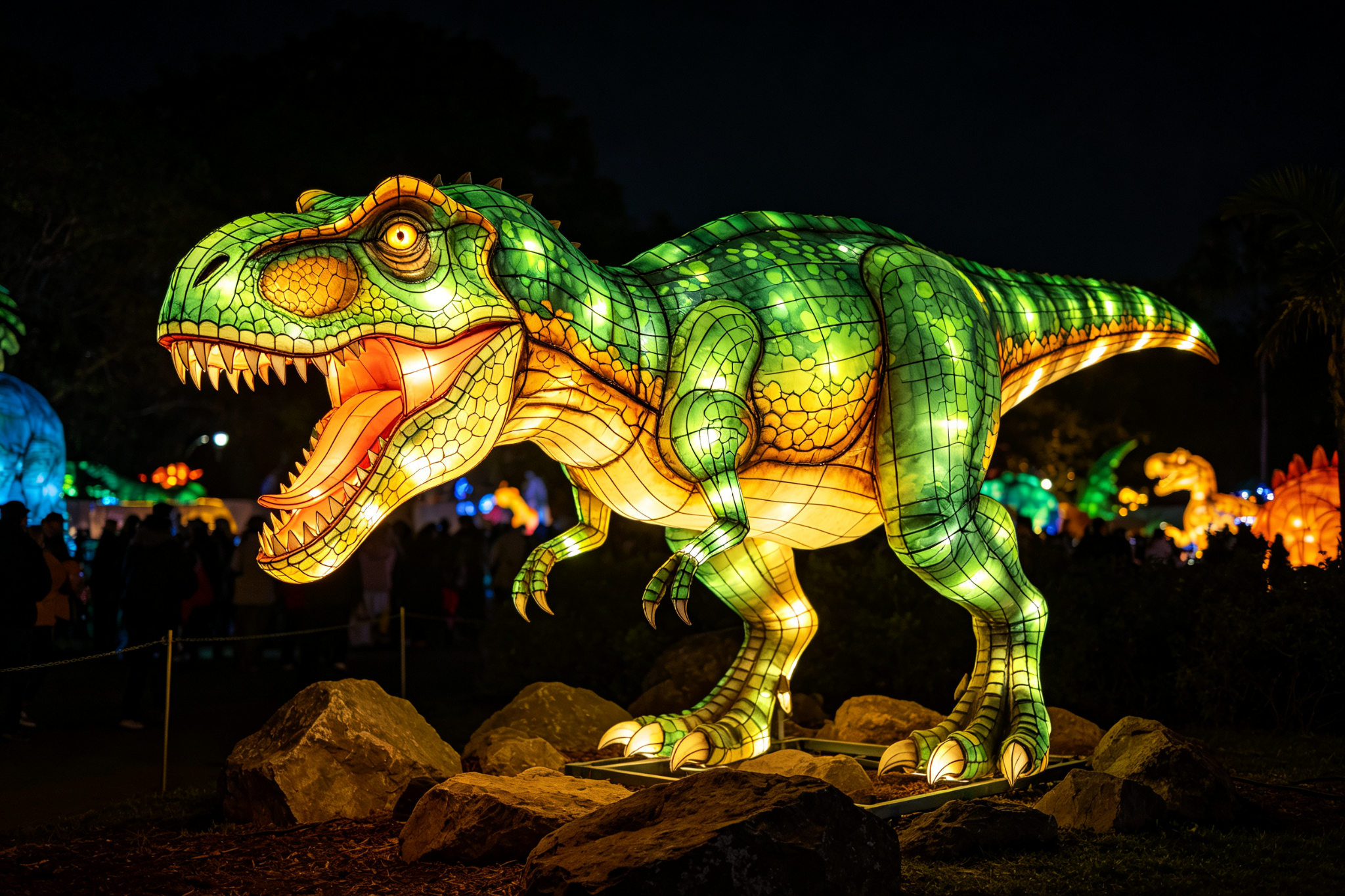
Modern custom lanterns can incorporate: motion mechanisms (animated heads, wings, jaws), smoke/fog machines, integrated sound systems, interactive sensors (touch, motion, sound), and projection mapping onto the lantern surface. These effects transform static sculptures into dynamic experiences.

Safety and Certification

All our lanterns use low-voltage (12V/24V) LED systems for visitor safety. Electrical components are CE, UL, and RoHS certified. We provide complete safety documentation including load calculations, wind resistance ratings, and electrical schematics — essential for event permitting and insurance.

Explore our custom lantern gallery to see these materials and technologies in action.
Explore our related services: Custom Lanterns and World Festive Lanterns. Contact us for a free custom quote.

Have Questions About Custom Lanterns?

Our team of lantern festival experts is ready to help. Contact us for a free consultation tailored to your project.

Email Us Now Call +86 13309004354

Budgeting and Timeline Planning for Custom Lantern Projects

Realistic budgeting is essential for the success of any custom lantern project. Costs vary significantly based on size, complexity, quantity, and shipping destination. As a general guideline, small decorative lanterns (1-3 meters) range from $500 to $5,000 each, medium display pieces (3-8 meters) from $5,000 to $25,000, and large-scale centerpieces (8+ meters) from $25,000 to $150,000+. A complete custom lantern festival with 30-50 pieces typically requires an investment of $150,000 to $800,000, including design, manufacturing, shipping, and installation. These figures are estimates — we provide detailed, itemized quotations after understanding your specific requirements.

Timeline planning should begin 4-6 months before your desired opening date for medium-scale projects, and 6-9 months for large international festivals. The design phase (consultation through final approval) typically requires 3-6 weeks. Production takes 30-60 days depending on complexity and quantity. Ocean shipping adds 4-8 weeks, and installation requires 1-4 weeks on site. Building buffer time into your schedule is essential — we recommend adding 2-3 weeks of contingency for unexpected delays such as port congestion, weather disruptions, or permit processing. Starting early also allows for more design iterations and better production scheduling, which often results in higher quality outcomes.

Cost optimization strategies can help maximize your budget without compromising quality. Reusing lantern frameworks from previous events (with new skins and lighting) can reduce costs by 30-40%. Standardizing certain design elements across multiple pieces reduces engineering time. Scheduling production during off-peak seasons (February through June) may offer better pricing and faster turnaround. And consolidating shipping with other projects or choosing flexible delivery dates can reduce freight costs. Our project managers work closely with clients to identify cost-saving opportunities while maintaining the visual impact and quality that make lantern festivals successful.

Custom Design Process: From Concept to Fabrication

A successful custom lantern festival begins with a thorough understanding of the client's vision, venue constraints, and audience expectations. Our design process typically begins with a creative brief that captures the event theme, cultural context, desired emotional impact, and budget parameters. From this foundation, our creative team develops 2-3 concept directions, each accompanied by mood boards, color palettes, and preliminary sketches that help clients visualize the final result before committing to detailed design work.

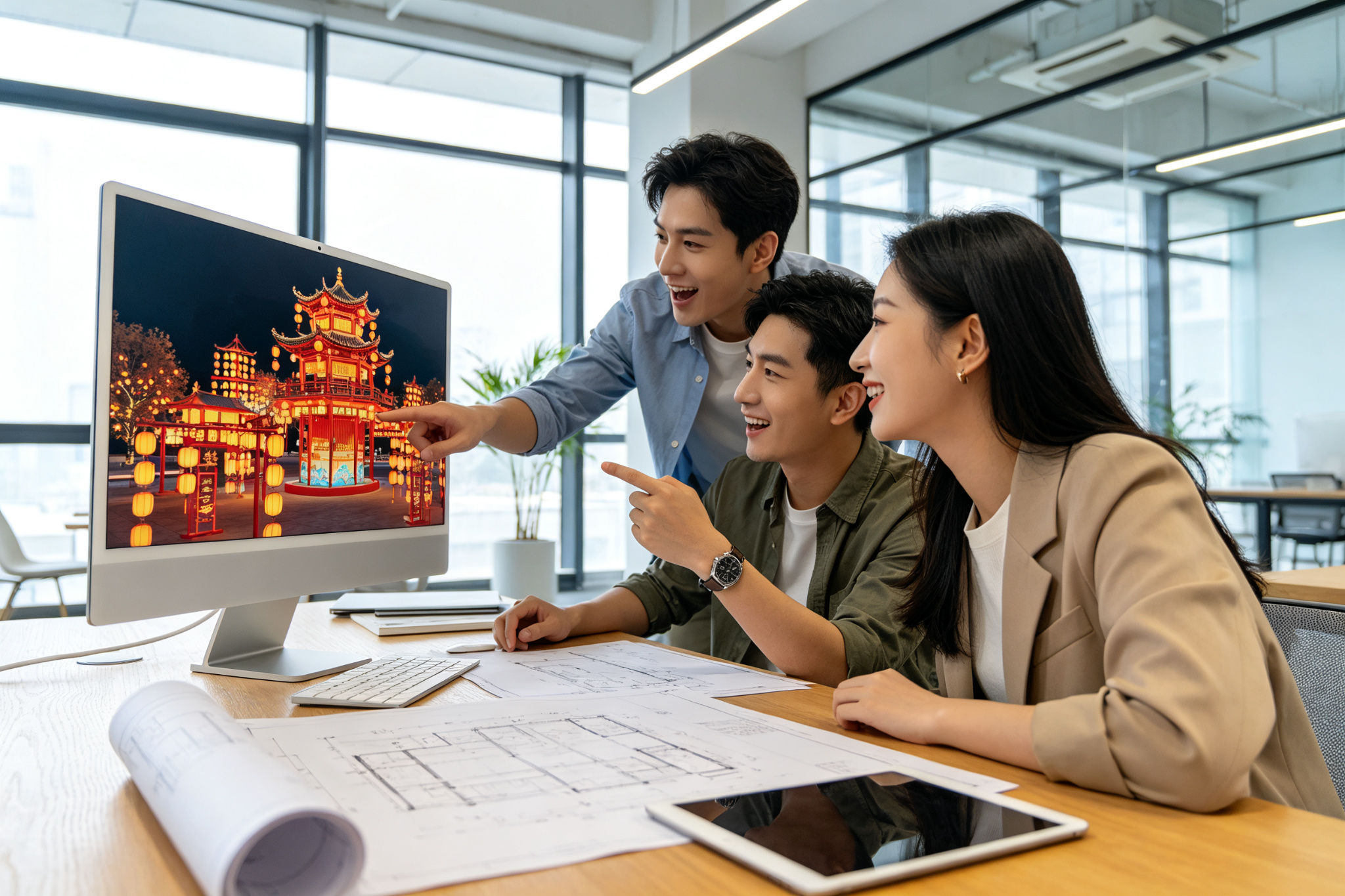
Once a concept direction is approved, the design team produces detailed 3D renderings, site-specific layout plans, and material specifications. This phase typically takes 7-14 days depending on project complexity. The 3D renderings allow clients to preview exactly how each lantern will appear in their venue, including lighting effects, scale relationships, and visitor flow patterns. We encourage clients to share these renderings with stakeholders, marketing teams, and local authorities for feedback and permits before production begins.

The fabrication process combines traditional handcrafting with modern quality control. Each lantern begins as a galvanized steel framework, bent and welded by skilled metalworkers to precise engineering drawings. The framework is then covered with waterproof silk or PVC fabric, stretched and glued by hand to ensure smooth surfaces. Master painters apply intricate details using traditional brush techniques, while electricians install programmable DMX512 LED systems that enable dynamic color changes and synchronized lighting sequences. Every piece undergoes a 48-hour illuminated burn-in test before being approved for packing and shipping.

Expert Q&A

Q: What is the minimum order quantity for custom lanterns?

A: We have no strict minimum order quantity — we accept custom orders for single pieces as well as large festivals. However, per-unit costs decrease significantly with larger orders due to shared design and engineering overhead. Many clients start with 5-10 pieces for a first event, then expand for subsequent years.

Q: Can custom lanterns be reused for multiple events?

A: Yes. Our lanterns are designed for multi-event use with proper maintenance. Steel frameworks typically last 5-8 years, while fabric skins have a 2-3 year lifespan and can be replaced at a fraction of the original cost. We offer refurbishment services including new skins, updated LED systems, and structural repairs.

Q: How involved can I be in the design process?

A: We encourage active client involvement throughout design. You'll work directly with our creative director, review sketches and 3D renderings at each stage, and can request unlimited revisions before production begins. Many of our best designs emerged from collaborative brainstorming with clients who understand their audience better than anyone.