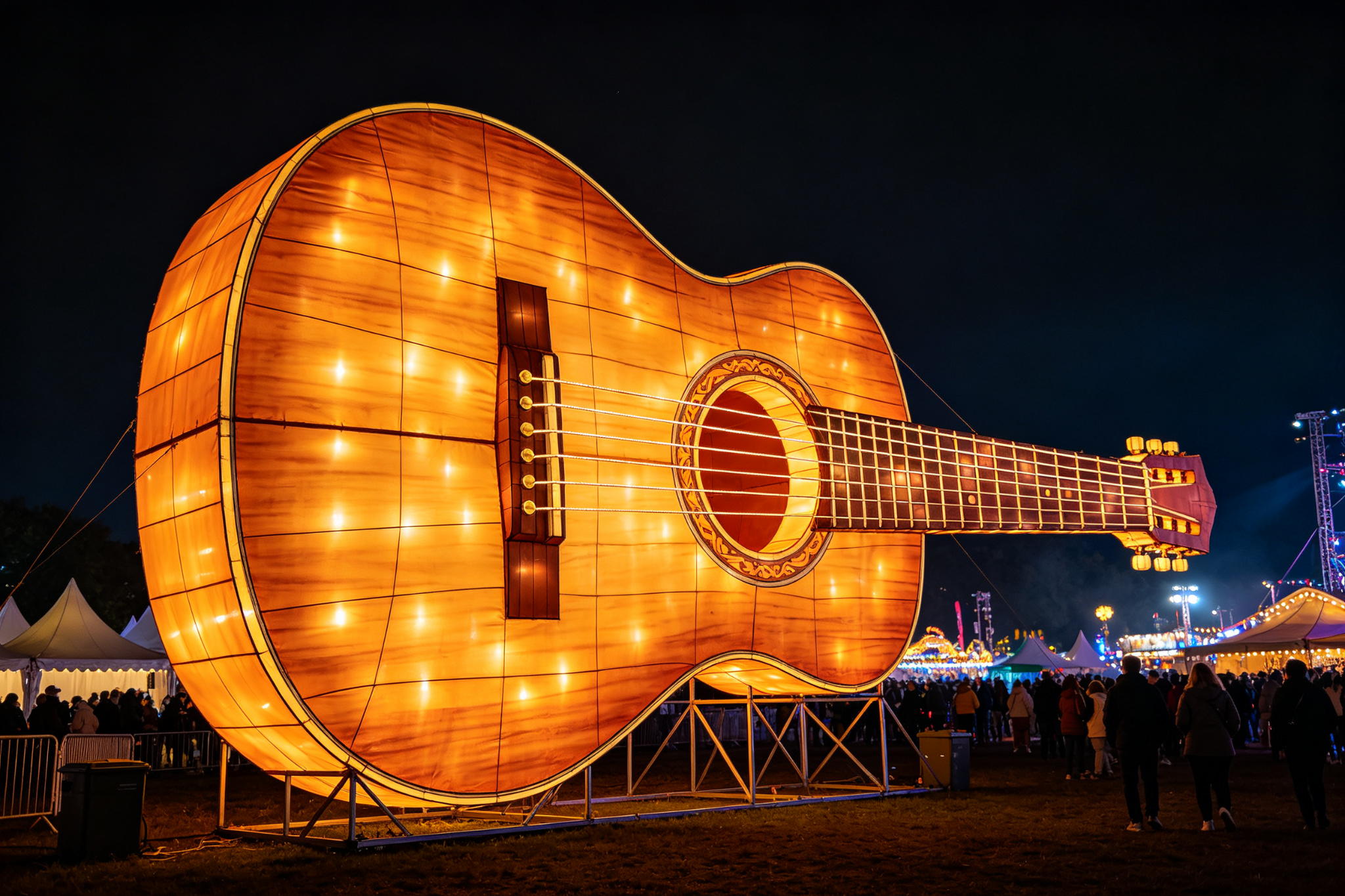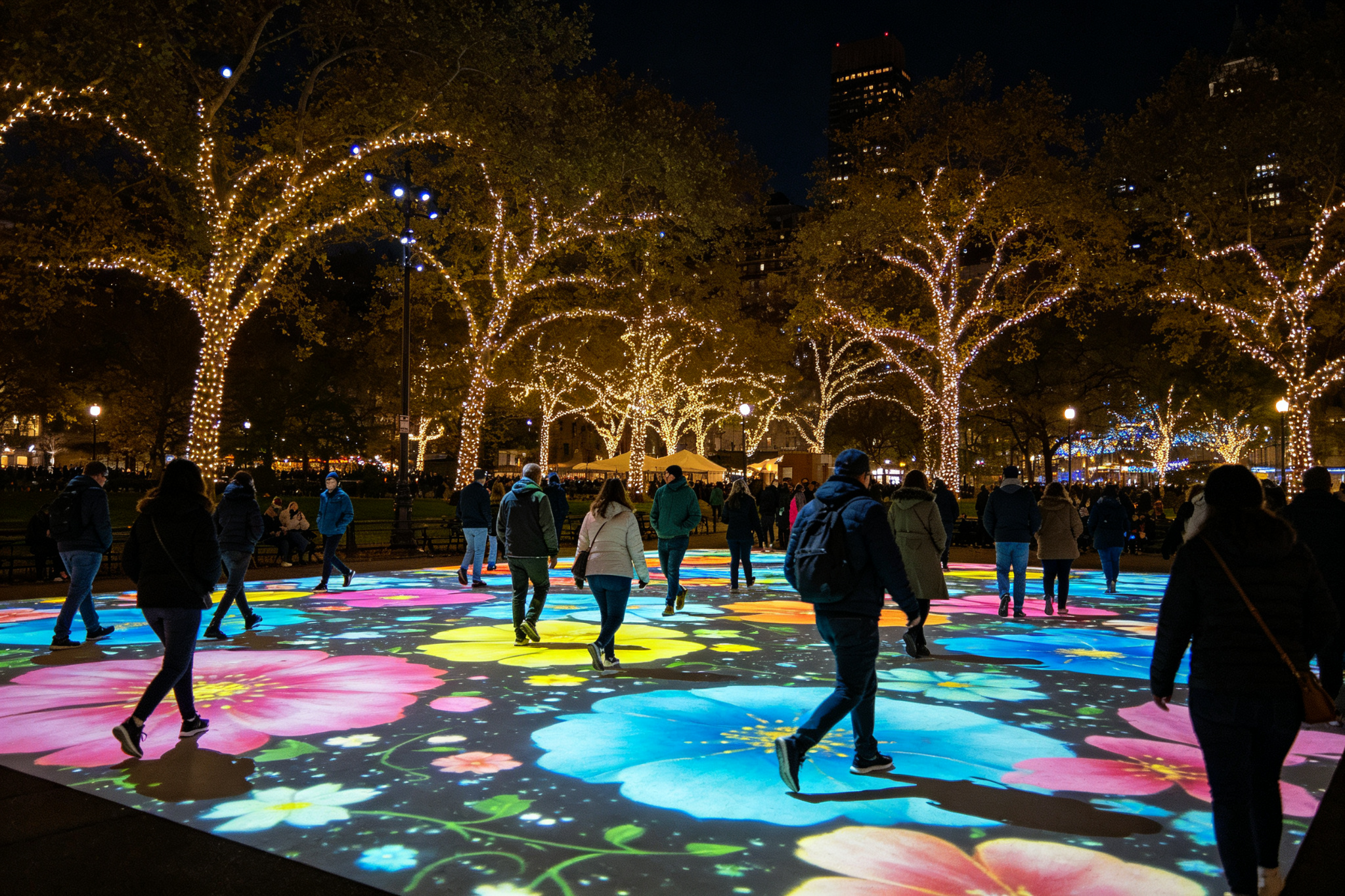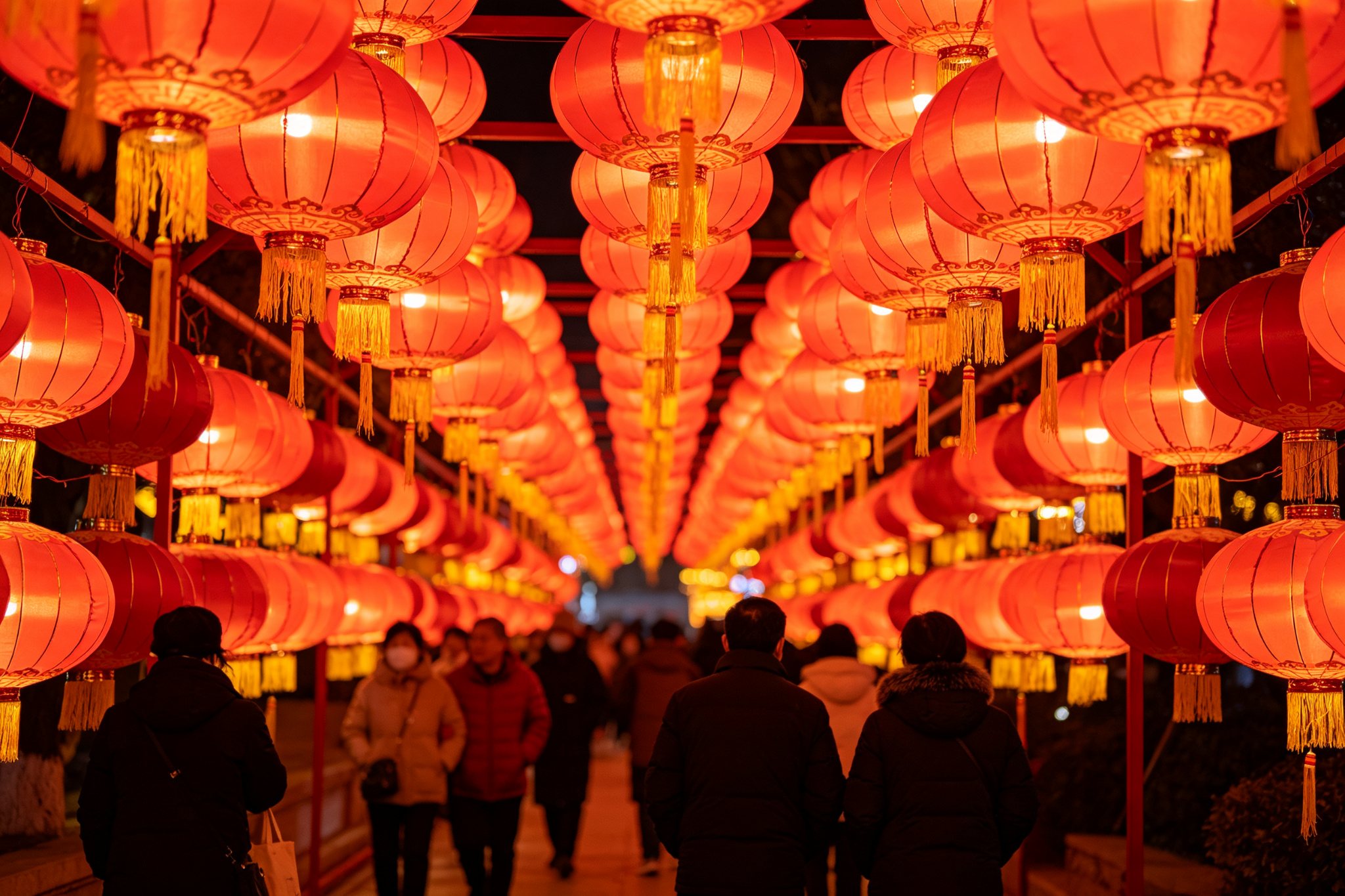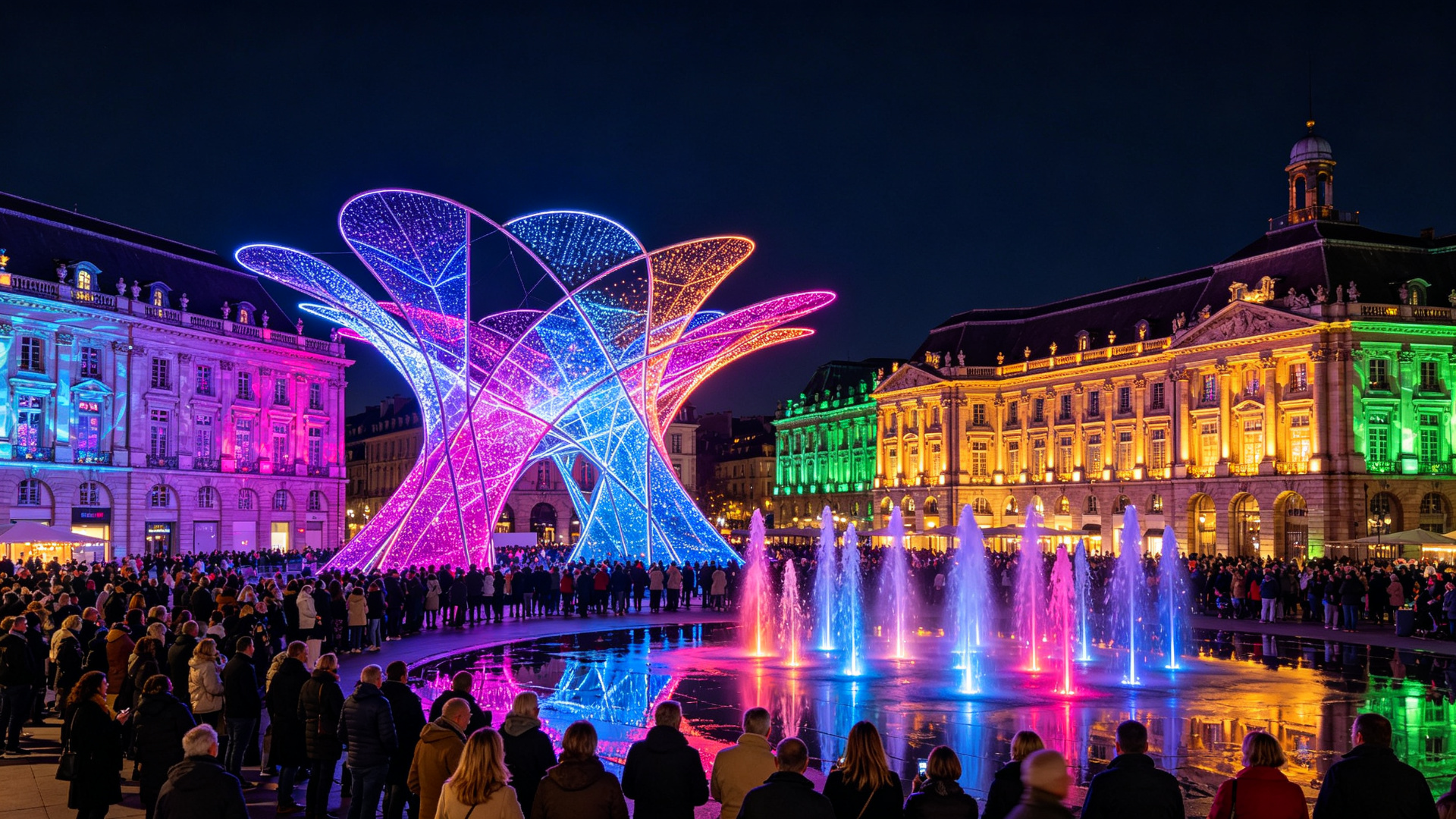


Comprehensive lantern festival budget planning guide covering all cost categories, hidden expenses, budget optimization strategies, and real project cost breakdowns.
Understanding Lantern Festival Costs
A well-planned lantern festival budget is essential for event success. Based on our experience producing 200+ festivals worldwide, we have identified the key cost categories and optimization strategies that can save organizers 20-40 percent while maintaining quality.
Core Budget Categories
The largest expense is typically the lanterns themselves (40-50 percent of budget), followed by installation and labor (15-20 percent), venue and permits (10-15 percent), marketing (8-12 percent), operations and staffing (8-10 percent), and contingency (5-10 percent). Understanding these proportions helps in allocation decisions.
Budget Optimization Strategies
Early booking with manufacturers can secure 10-15 percent discounts. Reusing structural components across multiple years reduces replacement costs. LED technology cuts electricity expenses by 60-80 percent compared to traditional lighting. Strategic sponsorships can offset 20-50 percent of total costs.
Safety, Compliance, and Risk Management for Illuminated Events
Safety is the non-negotiable foundation of any successful illuminated event. A comprehensive safety plan should address: structural safety (wind load ratings, anchor systems, crowd barriers around large pieces), electrical safety (ground-fault protection, proper wire gauging, weatherproof connections, emergency shut-offs), fire safety (fire extinguishers at regular intervals, clear evacuation routes, flame-retardant materials), crowd management (capacity limits, one-way flow patterns in narrow areas, first aid stations), and weather contingency (wind monitoring, rain protocols, lightning evacuation procedures). We provide detailed safety plans as part of every project, tailored to the specific venue and local regulatory requirements.
Insurance and liability protection should be arranged well before the event opens. Standard coverage includes: general liability insurance ($1-2 million minimum), product liability coverage for the lanterns themselves, worker's compensation for installation staff, event cancellation insurance (covering losses from weather, power failure, or other disruptions), and property damage coverage for the venue. Some venues require additional insured status on your policy, and certain municipalities mandate specific coverage limits. We maintain $2 million in product liability insurance and can provide certificates of insurance to venues and permit authorities. Event organizers should consult with an insurance broker experienced in special events to ensure adequate coverage.
Risk management involves identifying potential issues before they occur and developing contingency plans. Common risks include: adverse weather (plan for rain dates and wind shutdowns), equipment failure (keep spare parts and have electricians on call), permit delays (submit applications early and maintain regular contact with authorities), low attendance (have marketing reserve funds and flexible pricing strategies), and staff shortages (cross-train volunteers and have backup personnel). A risk register that lists each potential risk, its likelihood and impact, and the mitigation strategy should be reviewed regularly in the weeks leading up to the event. Events with thorough risk management plans experience 60-70% fewer serious incidents than those without, according to event industry safety data.
Expert Q&A
Q: What is the typical ROI for a lantern festival or light art event?
A: Professionally produced lantern festivals typically achieve break-even within the first 7-10 days of a 30-day run, with profitable events generating 2-3x return on investment. Key factors include ticket pricing strategy, attendance volume, concession revenue, and sponsorship income. Events in their second or third year often see 30-50% higher attendance due to established brand awareness.
Q: How do I choose between buying and renting lanterns?
A: Buying is more cost-effective for annual or recurring events, as the initial investment is amortized over multiple years. Renting (or leasing) is better for one-time events or first-time organizers who want to test the concept before committing. We offer flexible purchase options and can advise on the best model based on your event frequency and long-term plans.
Q: What kind of insurance do I need for an illuminated event?
A: At minimum, you need general liability insurance ($1-2 million), product liability coverage for the lanterns, and event cancellation insurance. Worker's compensation is required for any installation staff. We carry $2 million in product liability and can add venues as additional insured. We recommend consulting an insurance broker specializing in special events for tailored coverage.
Conclusion
Successful lantern festival budgeting requires careful planning, realistic cost estimates, and contingency planning. Working with an experienced manufacturer like Zigong Sun Culture ensures transparent pricing and no hidden costs. Contact us for a detailed project quote.
Practical Insights and Expert Recommendations
Successful lantern festivals balance visual spectacle with operational practicality. The most attended festivals allocate 60% of budget to lantern production and 40% to operations, marketing, and guest experience. Crowd flow design is critical: pathways should be minimum 3 meters wide, with resting areas, food zones, and restrooms distributed evenly throughout the venue. We provide complete layout planning services including visitor flow simulation, capacity calculations, and accessibility compliance to ensure a safe, enjoyable experience for all attendees.
Weather contingency planning is essential for outdoor lantern festivals. Rain can reduce attendance by 30-50% on affected nights, while high winds may require temporary closure for safety. Successful festivals build 2-3 buffer days into the schedule, offer rain-check tickets for inclement weather, and design displays with weather-resistant materials. We recommend purchasing event cancellation insurance for festivals over $200,000 in budget, and designing at least 30% of displays in covered or semi-covered areas to provide visitor options during inclement weather.
Budget Optimization Strategies
Early booking with manufacturers can secure 10-15% discounts, as factories offer better pricing during off-peak production periods between March and June. Reusing structural components across multiple years reduces replacement costs by 30-40%, with lantern skins and LED modules being the primary replaceable elements. LED technology cuts electricity expenses by 60-80% compared to traditional incandescent lighting, with typical festival power costs dropping from $15,000 to $3,000-$5,000 per month.
Strategic sponsorships can offset 20-50% of total festival costs. Title sponsorships typically cover 15-25% of budget, while zone sponsorships, product placements, and vendor fees contribute additional revenue. Many festivals also generate significant ancillary revenue from parking fees, merchandise sales, and premium experiences like VIP viewing areas or lantern-making workshops. Diversifying revenue streams reduces reliance on ticket sales alone and improves overall financial resilience.
Successful budget management requires tracking actual expenses against projections throughout the project. Establish a contingency fund of 5-10% for unexpected costs like weather-related delays, permit changes, or equipment failures. Review expenses weekly during production and installation phases, and approve any budget overruns in writing with clear justification. Our project managers provide detailed budget tracking reports with every project, ensuring full transparency and helping clients make informed decisions about resource allocation.
When comparing quotes from different suppliers, ensure you are comparing equivalent specifications. Lower-priced quotes often use thinner steel framing, lower-quality fabric, cheaper LED components, or omit critical services like installation support or spare parts. A $50,000 quote that includes delivery, installation, and a 2-year warranty may represent better value than a $35,000 quote for products only. Request itemized cost breakdowns from every supplier and evaluate total cost of ownership over the expected lifespan of the installation, not just initial purchase price.
About the Author
A certified production engineer with 12 years in lantern manufacturing, Zhang Yu specializes in quality control, structural engineering, and CE/ISO compliance for export products.
Frequently Asked Questions
Q: What is the average budget for a lantern festival?
A: Lantern festival budgets range from $50,000 for small community events to $2 million+ for large-scale city festivals. The average mid-size festival costs $200,000-$500,000 including lanterns, installation, operations, and marketing.
Q: What are the biggest hidden costs in lantern festival planning?
A: Common hidden costs include permit fees, insurance premiums, electrical infrastructure, waste management, security personnel, weather contingency, and post-event teardown and storage.
Q: How can I reduce lantern festival costs without sacrificing quality?
A: Strategies include early booking discounts, reusing lantern components across years, strategic sponsorship deals, optimizing installation timeline, and choosing energy-efficient LED systems that reduce operational costs.
Post-installation support and maintenance are often overlooked but critical for long-term project success. Establish a maintenance schedule from day one, including daily visual checks, weekly electrical testing, monthly cleaning, and quarterly structural inspections. Stock essential spare parts including LED strips, power supplies, controllers, and fasteners. Train your on-site team on basic troubleshooting and component replacement. We provide comprehensive maintenance manuals with every project, a 2-year spare parts kit, and remote technical support via video call for the lifetime of your installation. Our responsive support team typically resolves technical issues within 24-48 hours.
Budget planning should account for the full project lifecycle, not just initial production costs. Typical breakdown: design and engineering (8-12%), production and materials (45-55%), crating and shipping (10-15%), installation and labor (10-15%), permits and insurance (3-5%), marketing and promotion (5-8%), and contingency reserve (5-10%). Underestimating shipping or installation costs is the most common budget overrun cause. Always request all-inclusive quotes that cover every cost category, and build a 10% contingency into your budget for unexpected expenses. We provide transparent, itemized quotes with no hidden fees, and our project managers help clients optimize budgets without compromising quality or visual impact.
Successful projects share common traits: clear communication, realistic timelines, quality materials, and experienced installation teams. Investing time in supplier selection and project planning pays dividends throughout the project lifecycle, reducing stress, preventing costly rework, and ensuring the final deliverable exceeds expectations. Our team brings 15+ years of experience to every project, guiding clients through each phase with transparency and expertise.
Ready to Start Your Project?
Contact Zigong Sun Culture for a free consultation and custom quote.
Get in Touch