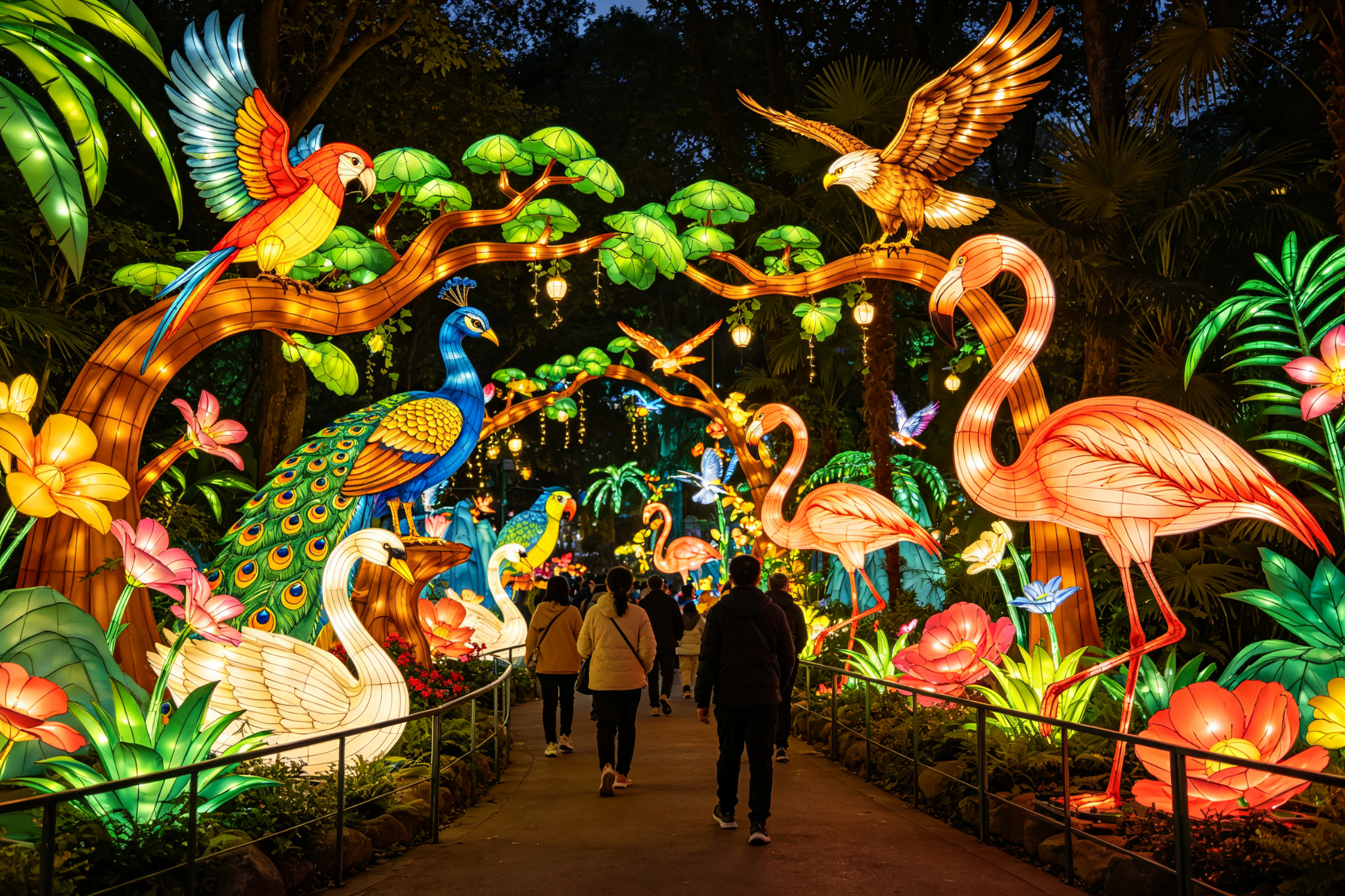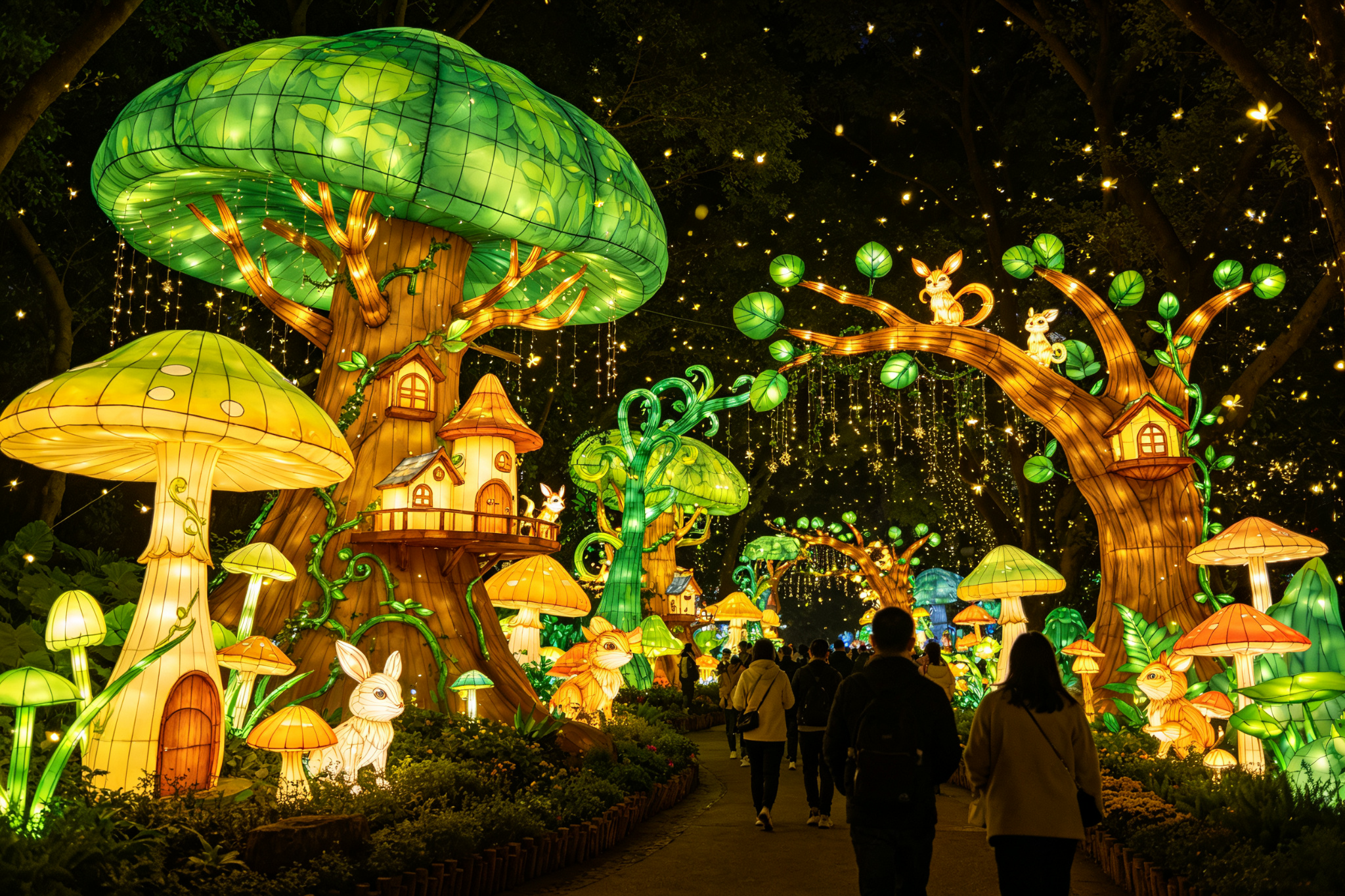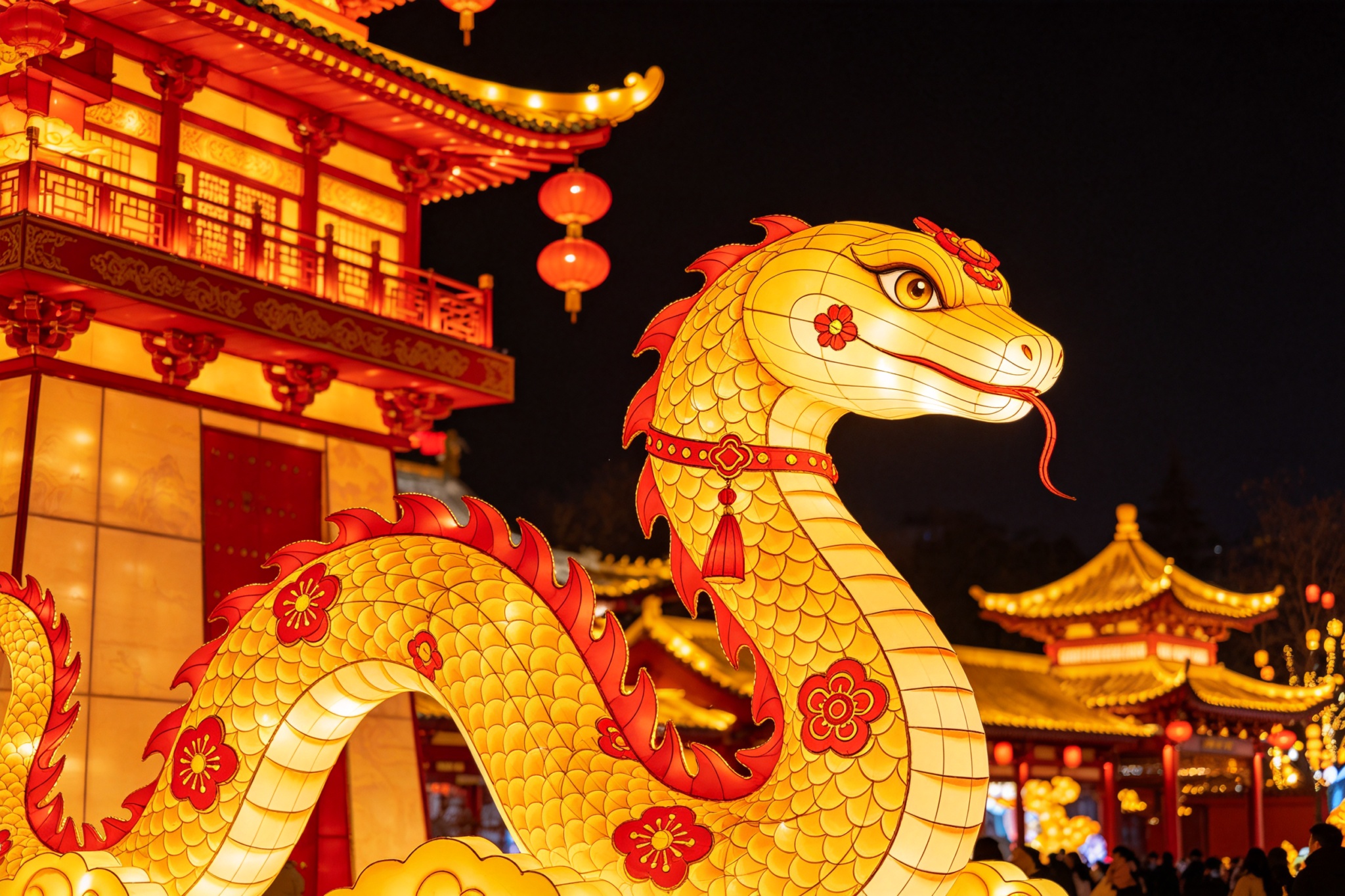


City-Scale Illumination
A large scale lantern display can transform an entire city festival into a signature event. When lanterns spread across multiple city blocks, parks, and public spaces, they become a city-wide attraction that draws regional tourists and generates massive economic impact. This guide covers city-scale production.
Planning a City-Wide Display
City-scale lantern displays require coordination across multiple stakeholders: city government (permits, public safety), parks department (venue access), transportation (road closures, parking), utilities (power), police/fire (safety), and local businesses (sponsorships, economic impact). We recommend forming a steering committee with all stakeholders 12+ months before the event.
Site Selection for City Displays
Ideal city festival sites include: a central park with multiple zones, a riverfront or lakeside (reflections double visual impact), a cultural district with multiple venues, or a pedestrian mall. The site should have: existing power infrastructure, public transit access, parking within 10 minutes walk, and capacity for 5,000+ simultaneous visitors.
Designing for City Scale
City-wide displays benefit from a "hub and spoke" design: a central festival zone (ticketed) with satellite installations (free) throughout the city. This creates a city-wide scavenger hunt effect, spreads visitor traffic, and allows non-ticketed visitors to experience some of the magic. Satellite pieces can be sponsored by local businesses, generating revenue.
Wayfinding is critical at city scale — illuminated signage, maps, and a festival app guide visitors between installations. We design wayfinding as part of the overall visual concept.
Infrastructure Requirements
Large city displays need: 400-800 amps of power (may require temporary generators), temporary restrooms (1 per 150 visitors), food vendor area (with grease traps and waste management), first aid stations, lost child center, and accessible pathways. We work with city departments to ensure all infrastructure meets codes.
Permitting & Community Relations
City festivals require: special event permit, electrical permit, fire marshal approval, noise variance (if music), alcohol permit (if serving), and possibly street closure permits. We provide all technical documentation. Community outreach is important — inform nearby residents about hours, noise, and traffic impacts to build support.
Economic Impact of City Displays
City-scale lantern festivals generate significant economic impact. A medium city festival (100K+ visitors) typically generates $5M-$15M in direct visitor spending (hotels, restaurants, retail, parking). The city benefits from increased tax revenue, job creation (200+ seasonal jobs), and positive national/international media coverage. Many cities report that their lantern festival becomes the signature annual event.
Case Study: Mid-Sized City Festival
A US city of 300,000 population launched a lantern festival in a downtown park. Year 1: 80,000 visitors, $3M economic impact. Year 3: 220,000 visitors, $12M economic impact, 40% of visitors from out of town. The festival now receives 20% of its budget from city tourism funds, with the rest from tickets and sponsorships.
At Zigong Sun Culture, we have produced city-scale lantern displays across four continents. Contact us to discuss bringing a large scale lantern display to your city.