Lead Production Engineer | February 27, 2021
Material Innovation in Modern Light Art Installations

Zhang Yu
Lead Production Engineer
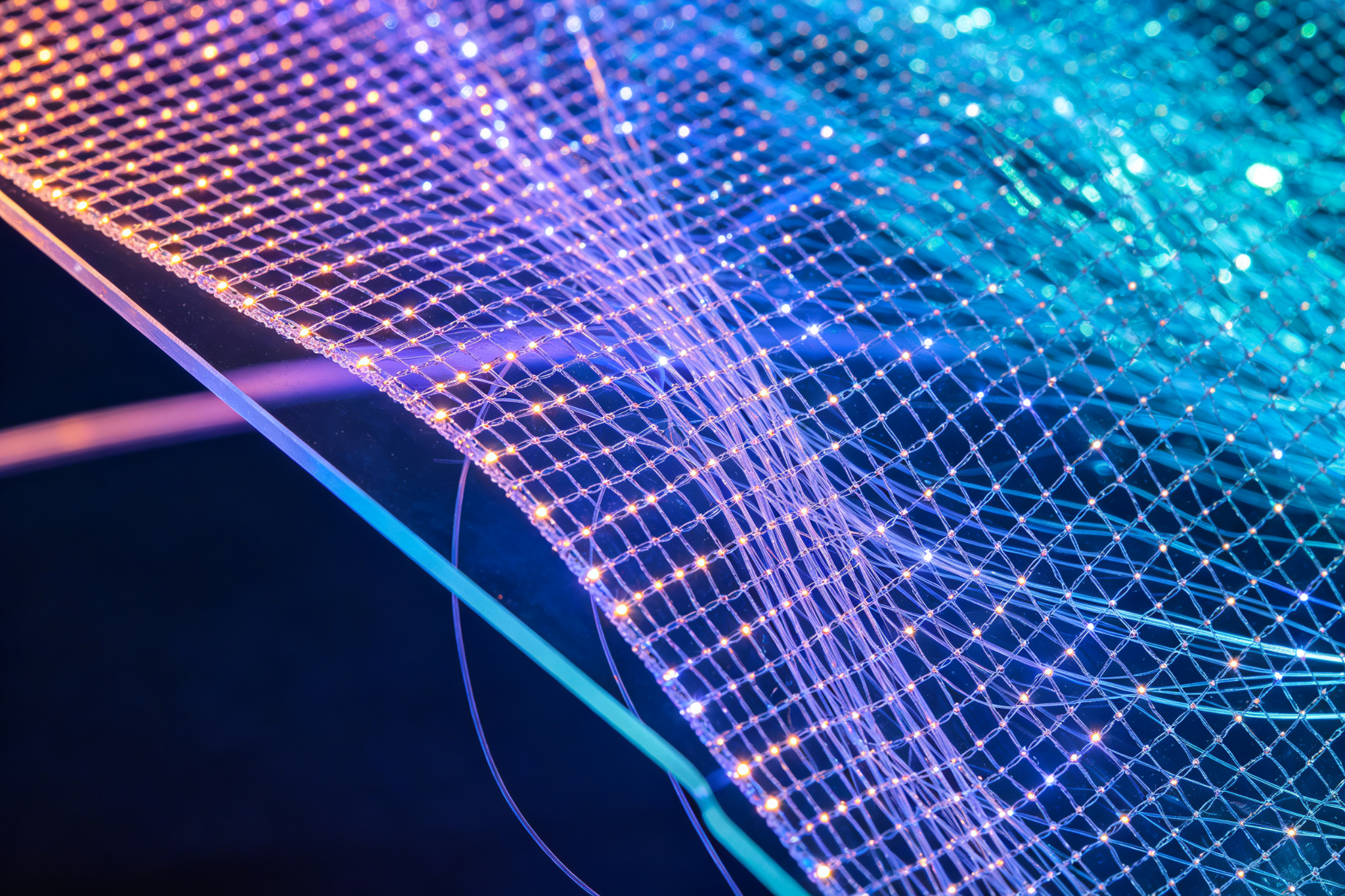
Discover cutting-edge materials in light art installations: electrochromic glass, fiber optics, LED mesh, bioluminescent materials, and smart fabrics.
Introduction
In today's competitive event and lighting industry, understanding the nuances of material innovation in modern light art installations is essential for success. This comprehensive guide draws on our 15+ years of experience producing lantern festivals and light installations worldwide, providing actionable insights that professionals can apply immediately.
Whether you are a first-time organizer or an experienced event producer, the principles outlined in this article will help you make informed decisions, avoid common pitfalls, and achieve outstanding results. We cover everything from initial planning through final execution and post-event analysis.
Key Concepts and Fundamentals
Before diving into specifics, it is important to establish a solid foundation. The core principles of material innovation in modern light art installations include careful planning, quality materials, skilled craftsmanship, and attention to detail. Each element plays a crucial role in the final outcome.
Our production facility in Zigong, China, combines traditional lantern-making techniques passed down through generations with modern manufacturing technology. This unique blend allows us to create products that are both authentically crafted and engineered for durability and safety.
Planning and Preparation
Successful projects begin with thorough planning. We recommend starting with a clear vision statement, followed by site assessment, budget development, and timeline creation. Our team works closely with clients during this phase to ensure all requirements are captured and expectations are aligned.
Key planning documents include concept sketches, 3D renderings, technical specifications, and production schedules. These documents serve as the blueprint for the entire project and help prevent costly changes later in the process.
Production and Quality Control
Our 8-stage quality control process ensures every product meets international standards. From raw material inspection through final testing, each lantern undergoes rigorous examination. We are CE, ISO9001, ISO14001, and UL certified, giving clients confidence in our products' safety and quality.
Production timelines vary based on project complexity. Standard products typically require 30-45 days, while custom large-scale installations may need 60-90 days. We provide regular progress updates with photos and videos throughout production.
Installation and On-Site Support
Professional installation is critical for safety and visual impact. Our experienced installation teams have completed projects in over 30 countries, adapting to diverse climates, venues, and regulatory requirements. We provide comprehensive installation guides and can send technicians on-site for complex projects.
Post-installation support includes maintenance training, spare parts kits, and remote technical assistance. We stand behind our products with comprehensive warranties and responsive customer service.
Commissioning Light Art: A Guide for Curators and Public Art Managers
Commissioning light art installations requires a different approach than purchasing standard decorative lighting. As a curator or public art manager, your role is to define the artistic vision, site context, audience experience, and technical requirements, then select an artist or fabrication team that can realize that vision. The commissioning process typically begins with a creative brief that describes the site, intended audience, thematic direction, budget range, and timeline. This brief may be sent to selected artists for proposal development, or published as an open call. We recommend inviting 3-5 qualified proposals rather than open calls, as this yields more focused, higher-quality responses.
Site-specific considerations are paramount in light art commissions. Factors such as ambient light levels (urban sites with high light pollution require brighter, higher-contrast work), weather exposure (outdoor pieces need IP65+ rated components and weather-resistant materials), power availability (large installations may require 3-phase power and dedicated circuits), pedestrian flow patterns (the work should enhance rather than obstruct movement), and viewing distances (design for both close-up detail and distant impact) all influence the design. We conduct detailed site assessments before proposing any light art installation, providing technical recommendations that ensure the work performs as intended in its specific location.
Maintenance and longevity planning are often overlooked in light art commissions but are essential for preserving the work's impact. LED systems have a rated lifespan of 50,000+ hours, but drivers, controllers, and wiring may require replacement after 5-7 years. Outdoor installations should include accessible service panels, modular components that can be replaced without removing the entire piece, and a maintenance manual with spare parts list. We recommend budgeting 5-10% of the commission cost annually for maintenance, and planning for a major refurbishment at the 5-year mark. Permanent light art installations that are well-maintained can remain visually impactful for 10-15 years, making them excellent long-term investments for public spaces.
Expert Q&A
Q: What is the difference between light art and regular decorative lighting?
A: Light art is concept-driven, site-specific, and often interactive — it's designed to evoke emotion, tell a story, or create an experience. Decorative lighting is primarily functional or aesthetically ornamental. Our light art installations combine sculptural form, programmed lighting, and spatial design to create immersive environments that engage visitors on multiple levels.
Q: How long do light art installations typically last outdoors?
A: With proper maintenance, outdoor light art installations can operate for 5-10 years. LED systems have 50,000+ hour lifespans, and our weatherproof construction withstands rain, snow, and temperature extremes. We recommend an annual maintenance visit to inspect wiring, clean surfaces, and replace any degraded components. Permanent installations should budget 5-10% of cost annually for upkeep.
Q: Can light art installations be interactive?
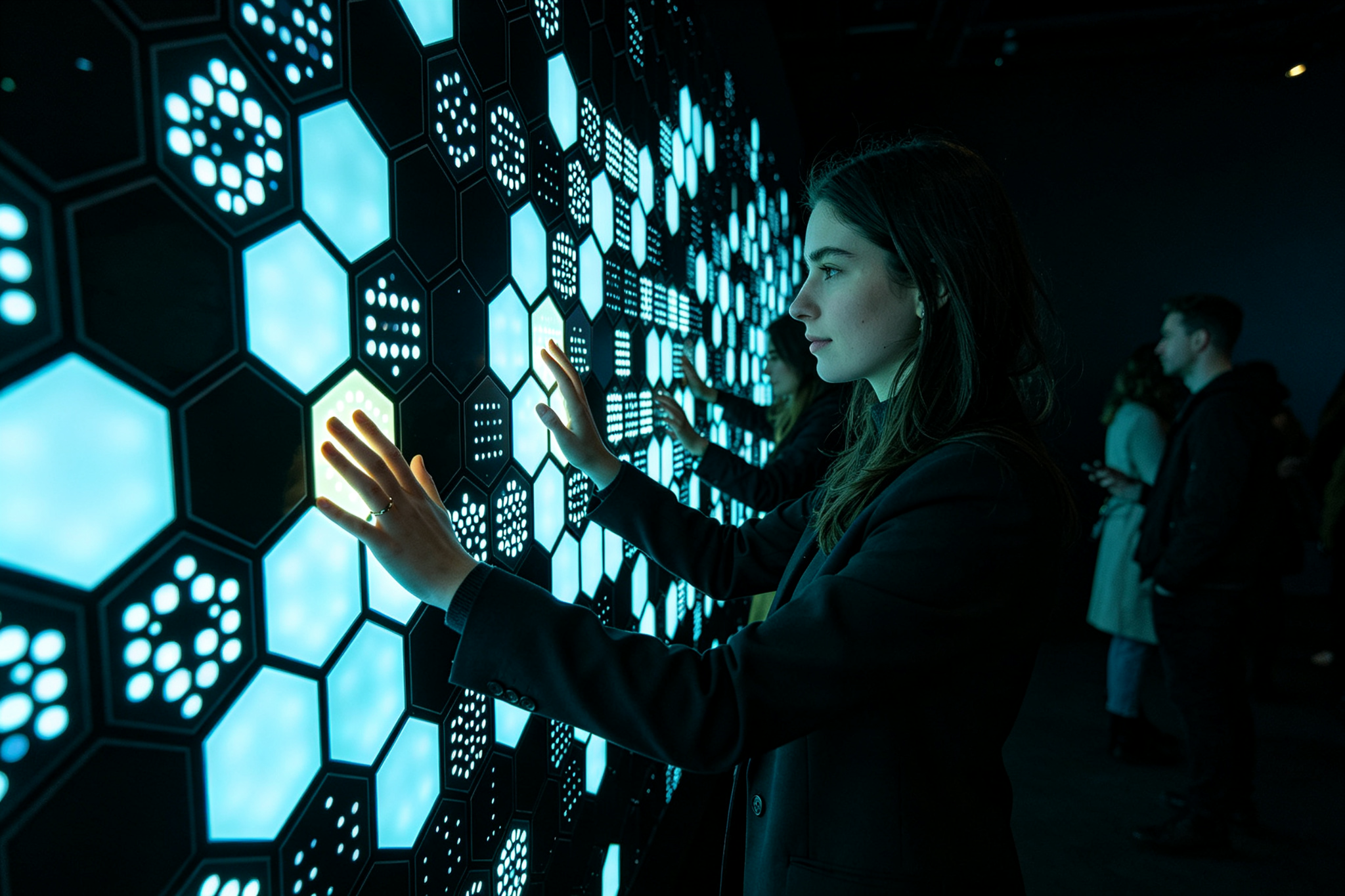
A: Absolutely. We regularly incorporate motion sensors, touch interfaces, sound reactivity, and smartphone-controlled elements into our installations. Interactive pieces consistently generate the highest social media engagement and visitor satisfaction scores. Our design team can recommend interaction types that suit your audience, venue, and budget.
Conclusion
Material Innovation in Modern Light Art Installations represents a significant opportunity for event organizers, cities, and businesses to create memorable experiences that drive engagement and revenue. By following the principles outlined in this guide and partnering with an experienced manufacturer, you can achieve exceptional results.
Zigong Sun Culture has been a trusted lantern festival manufacturer for over 15 years, serving clients across North America, Europe, Asia, and the Middle East. Contact us today to discuss your project and receive a free consultation and quote.
Practical Insights and Expert Recommendations
When evaluating lighting solutions for your project, consider the total cost of ownership rather than upfront price alone. Quality LED systems may cost 20-30% more initially but deliver 50,000+ hours of operation with minimal maintenance, compared to 5,000-10,000 hours for traditional lighting. The energy savings alone typically offset the premium within 18-24 months, while the superior color rendering and durability create more impactful visual experiences. Always request photometric data and DMX control specifications from suppliers to ensure compatibility with your existing control infrastructure.
Site assessment is critical before committing to any lighting installation. Factors including ambient light levels, power availability, structural mounting points, weather exposure, and visitor traffic patterns all influence the optimal design. We recommend conducting a thorough site survey with photographic documentation and measurements before finalizing any design. This prevents costly modifications during installation and ensures the final deliverable meets both aesthetic and functional requirements. Professional lighting designers typically allocate 10-15% of project budget to site assessment and design development.
About the Author
Zhang Yu - Lead Production Engineer
A certified production engineer with 12 years in lantern manufacturing, Zhang Yu specializes in quality control, structural engineering, and CE/ISO compliance for export products.
Frequently Asked Questions
Q: What are the key considerations for material innovation in modern light art installations?
A: The key considerations include thorough planning, quality sourcing, proper installation, and ongoing maintenance. Each project requires careful assessment of site conditions, budget constraints, and timeline requirements.
Q: How much does a typical project related to material innovation in modern light art cost?
A: Costs vary significantly based on scale, complexity, and location. Projects typically range from $5,000 for small installations to $500,000+ for large-scale festivals. We provide detailed quotes after initial consultation.
Q: What is the timeline for implementing material innovation in modern light art ?
A: Most projects require 3-9 months from initial concept to completion. Smaller projects can be delivered in 6-8 weeks, while large-scale festivals typically need 6-9 months for design, production, and installation.
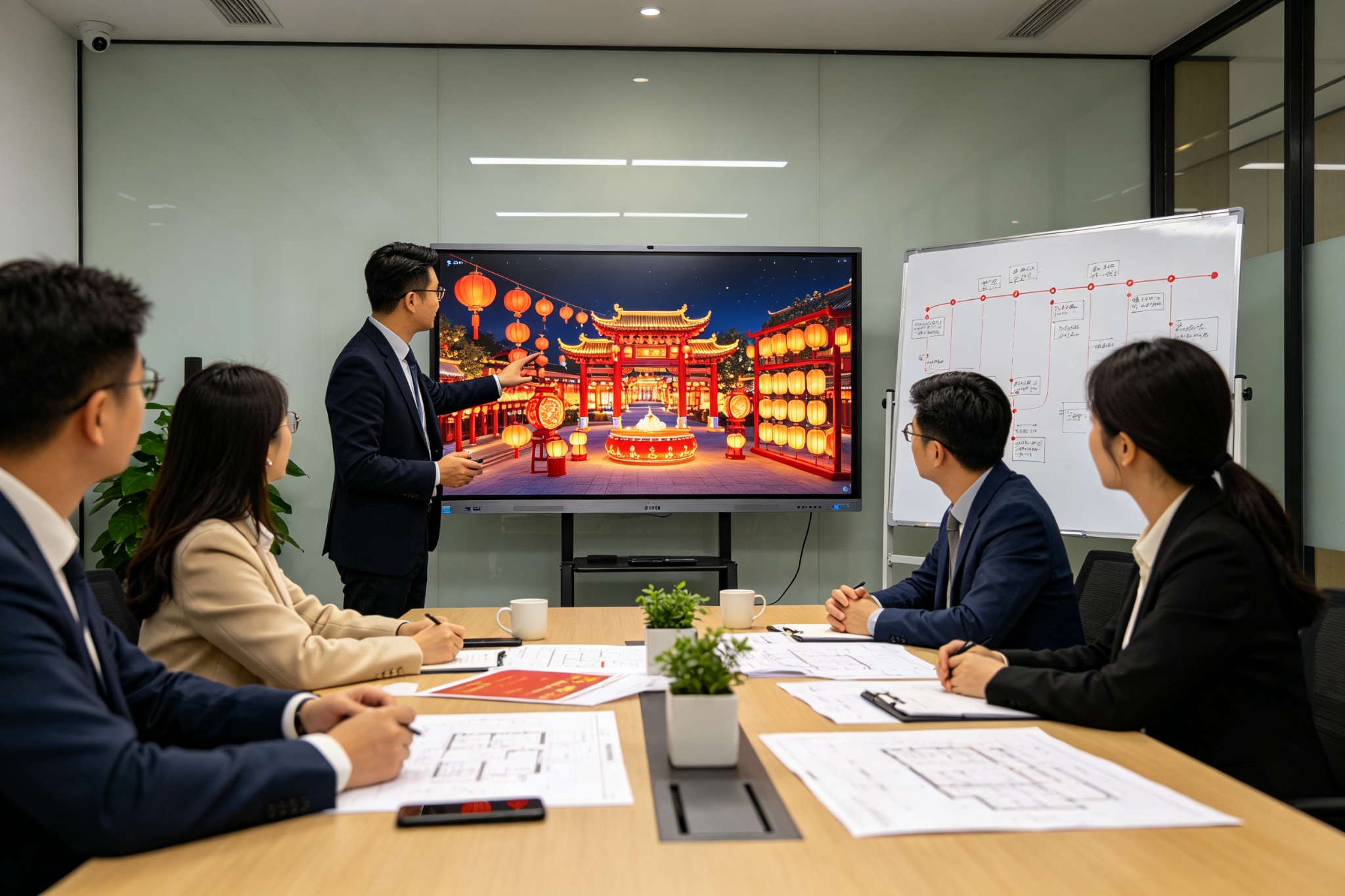
Project timeline management is critical for event-based installations where deadlines are immovable. Build buffer time into every phase: allow 2 weeks for design revisions, 1 week for production delays, 1 week for shipping variability, and 1 week for installation contingencies. This 5-week buffer ensures that even with unexpected issues, your project opens on schedule. Communicate timeline expectations clearly to all stakeholders and establish weekly check-in meetings during production to track progress against milestones. We provide detailed Gantt charts for every project with clear milestones, deliverable dates, and client approval checkpoints, ensuring full transparency throughout the production process.
Post-installation support and maintenance are often overlooked but critical for long-term project success. Establish a maintenance schedule from day one, including daily visual checks, weekly electrical testing, monthly cleaning, and quarterly structural inspections. Stock essential spare parts including LED strips, power supplies, controllers, and fasteners. Train your on-site team on basic troubleshooting and component replacement. We provide comprehensive maintenance manuals with every project, a 2-year spare parts kit, and remote technical support via video call for the lifetime of your installation. Our responsive support team typically resolves technical issues within 24-48 hours.
Ready to Start Your Project?
Contact Zigong Sun Culture for a free consultation and custom quote.
Get in Touch