China Lantern Festival: Regional Variations Across Provinces and Ethnic Groups

One Festival, Many Faces: China's Lantern Traditions
The China Lantern Festival is not a single, uniform celebration. Across China's vast territory and 56 ethnic groups, the festival takes on countless regional forms, each shaped by local history, geography, climate, and cultural traditions. Understanding these variations is essential for anyone designing or producing lantern festivals for international audiences, as it reveals the depth and diversity of Chinese lantern culture.
Sichuan: Zigong — The Ancestral Home of Lantern Festivals
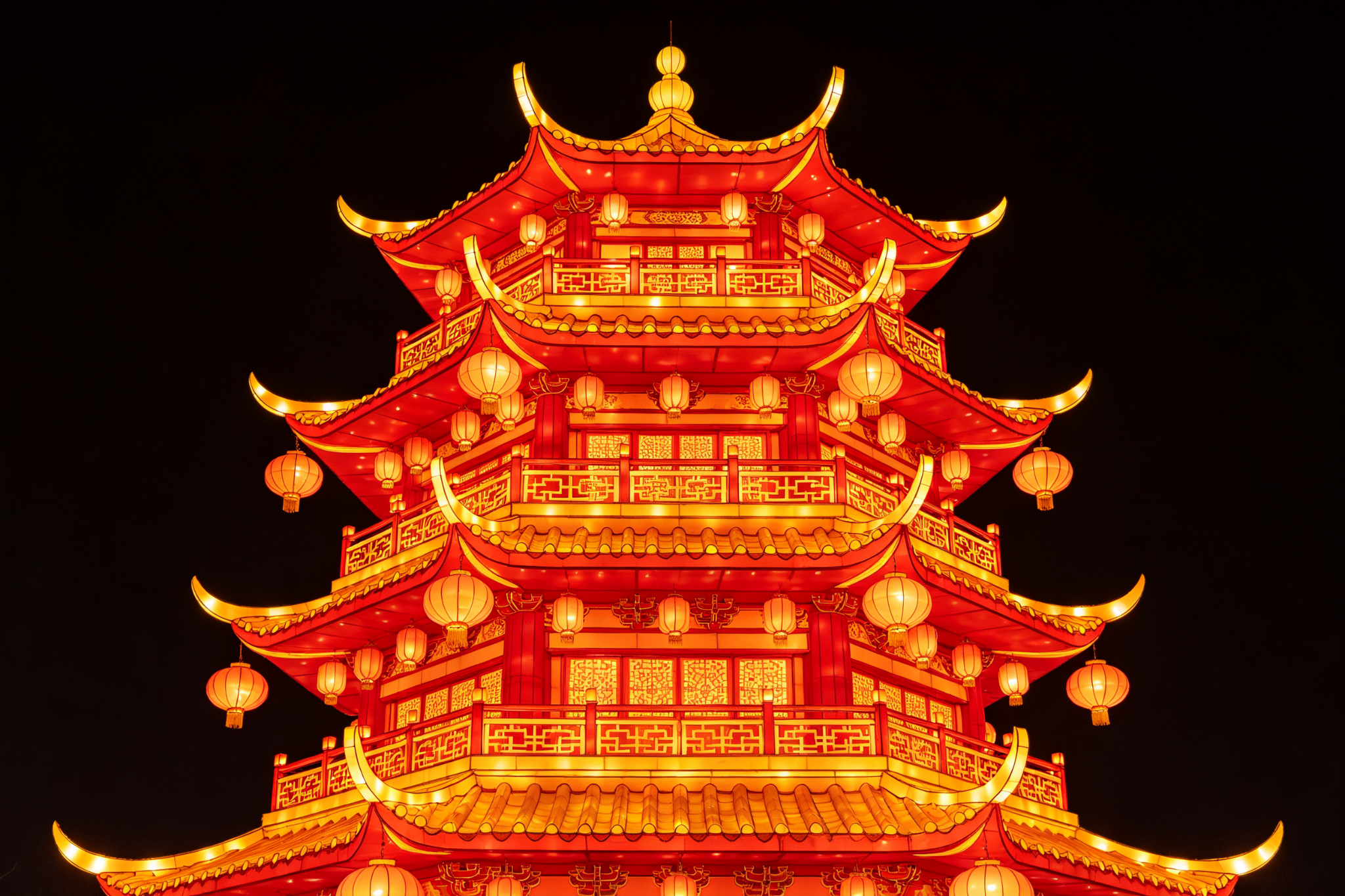
Zigong, in Sichuan province, is universally recognized as the birthplace of the modern Chinese lantern festival tradition. With a history dating back over 1,000 years to the Tang and Song dynasties, Zigong's lantern shows are legendary for their scale, artistry, and innovation. The Zigong Lantern Festival, held annually since 1964, draws millions of visitors and is the model for most lantern festivals exported around the world.
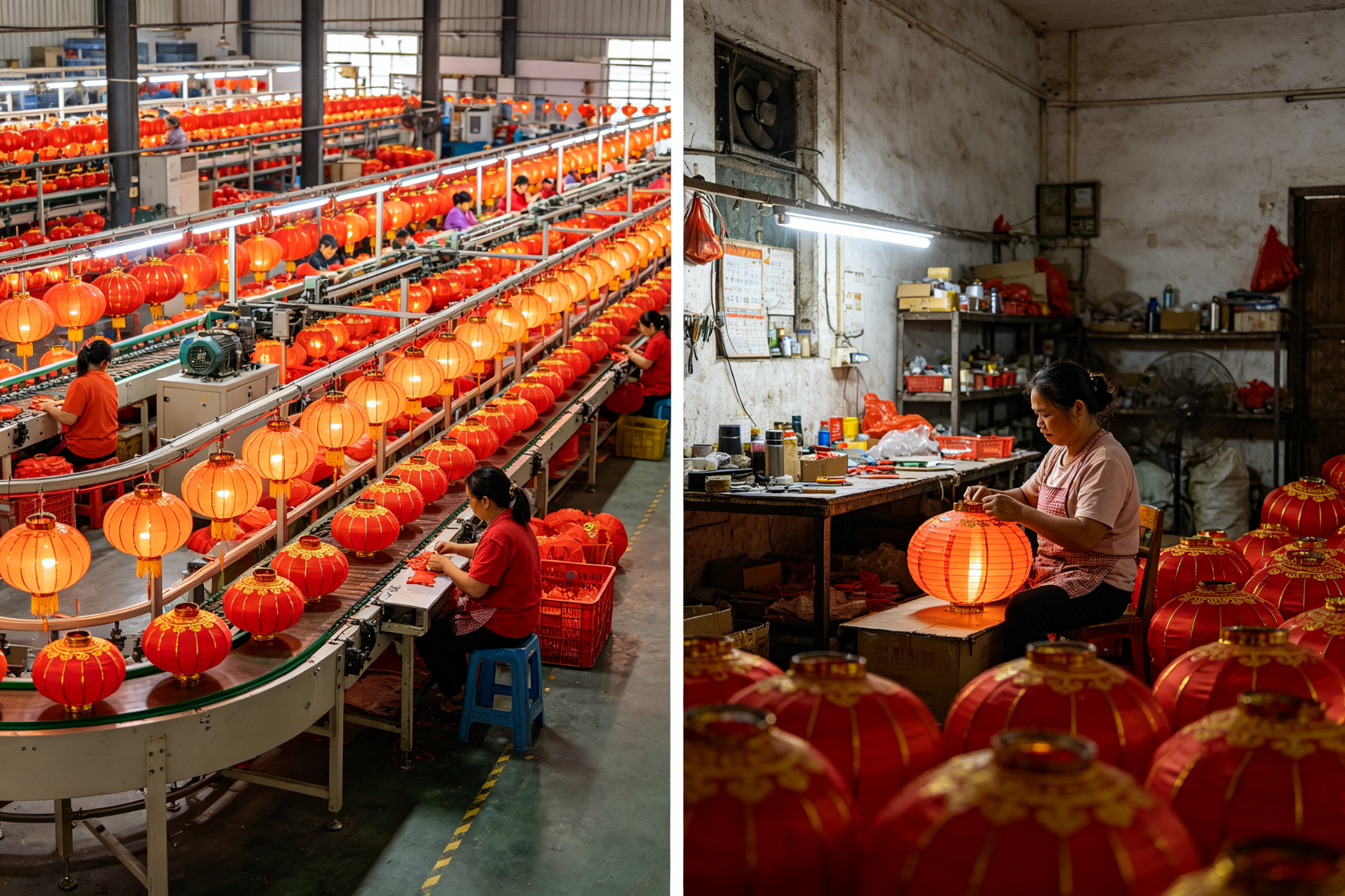
Zigong lanterns are characterized by their massive scale — entire landscapes recreated in illuminated silk — and their innovative use of materials. Historically, Zigong's salt industry prosperity provided the wealth and skilled craftspeople to create increasingly elaborate lantern displays. Today, Zigong remains the manufacturing center for 90% of the world's exported lantern festivals, with companies like Zigong Sun Culture leading the industry.
Beijing: Imperial Grandeur
In the capital city, lantern traditions reflect imperial aesthetics. Beijing's Lantern Festival celebrations, particularly at the Summer Palace and the Temple of Heaven, feature lanterns inspired by Qing Dynasty court designs — dragon lanterns, phoenix lanterns, and lanterns shaped like traditional imperial architecture. The emphasis is on formality, symmetry, and grandeur rather than the narrative storytelling found in Zigong.
Beijing is also famous for its palace lanterns (gongdeng) — intricately framed, silk-paneled lanterns that were once exclusive to the imperial court. These smaller, refined pieces are often displayed along temple fairs and historic streets.
Shaanxi: The Xi'an Style
Xi'an, ancient capital of 13 dynasties, blends Tang Dynasty elegance with folk traditions. Lantern displays here often feature historical themes — Silk Road scenes, Tang Dynasty court figures, and terracotta warrior-inspired designs. The city's extensive city walls provide a dramatic backdrop for lantern installations, with thousands of lanterns lining the wall walkway every year.
Harbin and the Northeast: Ice Lantern Fusion
In frigid northeastern China, the lantern festival tradition merges with ice sculpture. Harbin's Ice and Snow Festival, held annually since 1963, features giant illuminated ice structures — entire castles, pagodas, and landscapes carved from clear ice and lit from within. While technically an ice festival rather than a lantern festival, the visual impact — crystalline structures glowing in sub-zero temperatures — is directly inspired by lantern festival aesthetics and represents a uniquely northeastern Chinese adaptation.
Suzhou and Jiangnan: Garden Lanterns
In the Jiangnan region (south of the Yangtze River), lantern festivals are more delicate and intimate, matching the refined aesthetic of classical Chinese gardens. Lanterns here are smaller, more elegant, and often hung among willow trees, beside lotus ponds, and within garden pavilions. Suzhou's lantern displays emphasize subtlety and harmony with the natural landscape rather than overwhelming scale.
The lanterns of this region are also known for their delicate painting — figures from classical literature, flowers, and birds rendered in fine brushwork on silk panels. This tradition influences the smaller decorative lanterns exported worldwide.
Guangdong and Chaoshan: Folk and Teochew Traditions
In Guangdong province, the Lantern Festival is deeply intertwined with folk religion and community life. Chaoshan region lanterns are known for their vibrant colors, elaborate paper cutting, and the use of auspicious symbols — carp (symbolizing prosperity), bats (fortune), and peonies (wealth). In some villages, giant dragon lanterns are paraded through streets accompanied by lion dances and firecrackers.
Guangdong is also the home of the Palace Lantern (gongdeng) tradition of Foshan, known for its intricate lace-like wirework and layered silk panels. These lanterns are considered among the most technically refined in China.
Ethnic Minority Variations
China's ethnic groups add extraordinary diversity to lantern festival celebrations:
Zhuang Ethnic Group (Guangxi)
The Zhuang people's Lantern Festival is intertwined with the singing festival (gexu). Lanterns are often shaped like celestial instruments and decorated with patterns inspired by Zhuang embroidery. The festival is celebrated with antiphonal singing among young people.
Dong Ethnic Group (Guizhou)
Dong communities celebrate with lanterns hung in their iconic drum towers. The Dong lantern tradition emphasizes geometric patterns and natural themes, reflecting their harmonious relationship with the mountain environment.
Tibetan Communities
In Tibetan regions, lantern festivals coincide with Losar (Tibetan New Year) and feature butter lamps — small but reverent illuminated displays in monasteries and homes. While different in form from Han silk lanterns, the spiritual function of bringing light and warmth during dark winter months is shared.
Why Regional Diversity Matters for Your Festival
When designing an international lantern festival, understanding regional variations allows you to create a more authentic, rich experience rather than a generic "Chinese lantern" display. Mixing elements from different regions — the grand scale of Zigong, the elegance of Suzhou, the folk energy of Guangdong — creates a festival that represents the full breadth of Chinese lantern culture.
Zigong Sun Culture's design team draws on all these regional traditions to create festivals that are both visually stunning and culturally authentic. Contact us to discuss how we can bring the diversity of the China Lantern Festival tradition to your event.
Ready to start? Contact Zigong Sun Culture for a free consultation. Get in touch today.