
Adapting Chinese Craft for Global Audiences
International lantern festival projects require more than shipping Chinese lanterns abroad. The most successful festivals adapt themes, content, and design to resonate with local cultures while maintaining authentic craftsmanship. This article explores cross-cultural design principles.
Why Cultural Adaptation Matters
Audiences worldwide appreciate authentic Chinese lantern art, but festivals that include local cultural references create deeper connections. A festival in Mexico might include Day of the Dead themed lanterns alongside Chinese dragons; a festival in Australia might feature native animals alongside traditional Chinese pieces. This hybrid approach honors both the craft's origin and the host community's identity.
Cross-Cultural Design Principles
1. Research Local Culture: Before designing, we research the host region's: cultural symbols and motifs, seasonal traditions, aesthetic preferences (color symbolism varies — white is celebratory in China but mourning in some Western cultures), and audience demographics. Our design team includes cultural consultants for major international projects.
2. Blend Themes Thoughtfully: The best cross-cultural festivals create dialogue between traditions. A "World of Light" theme might include Chinese dragons, Middle Eastern mosaic lanterns, Mexican papel picado, and Australian Aboriginal-inspired patterns — each zone representing a different culture, connected by the universal medium of light.
3. Respect Cultural Sensitivity: Avoid appropriating sacred symbols without understanding. Consult local cultural leaders for themes involving religion, indigenous culture, or sensitive historical topics. Our world festive lanterns collection was developed with cultural research and consultation.
4. Language & Accessibility: All signage, audio content, and educational materials should be in the local language (and English for international visitors). Consider accessibility for diverse audiences including non-readers and visitors with disabilities.
Regional Design Approaches
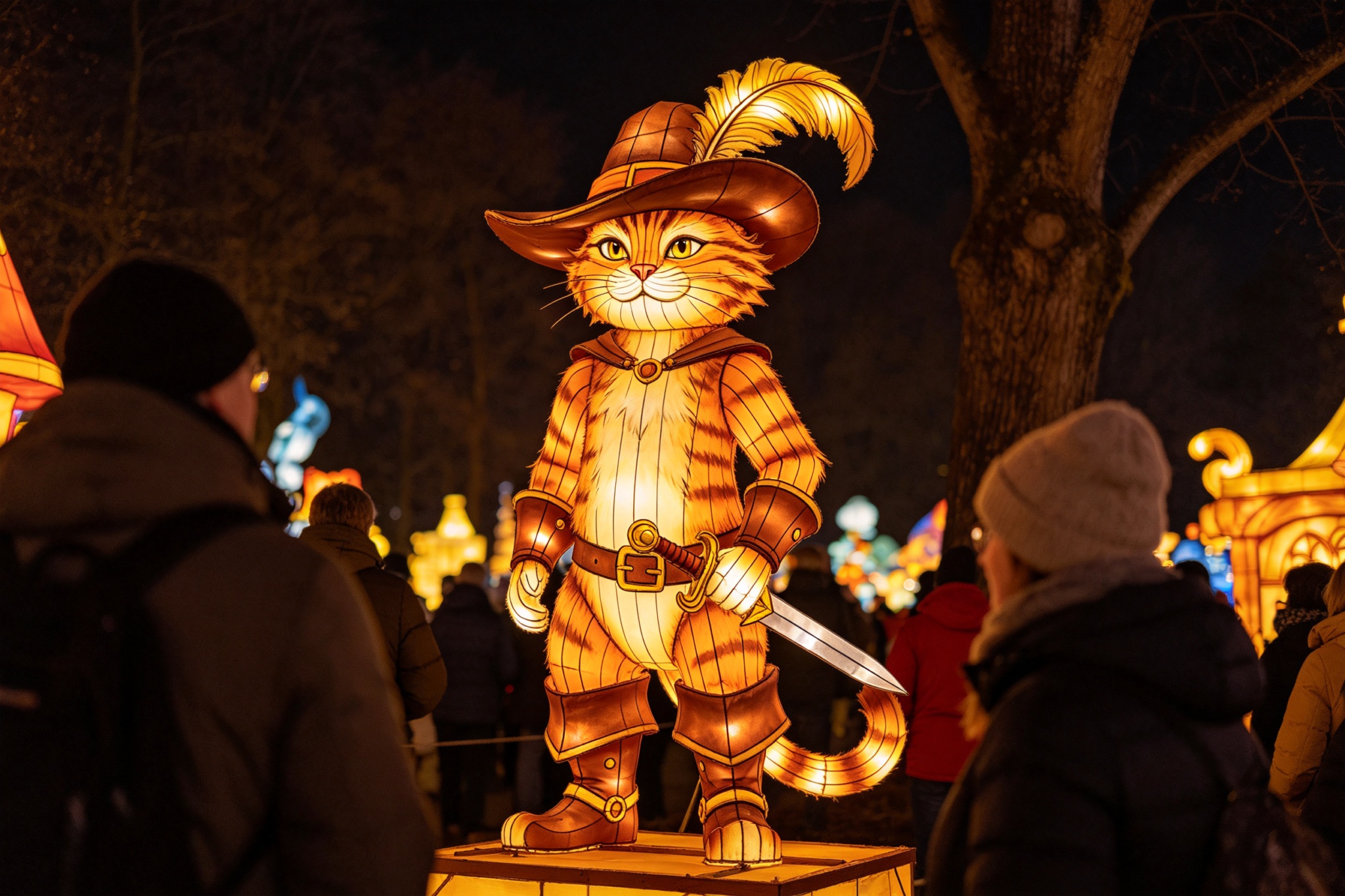
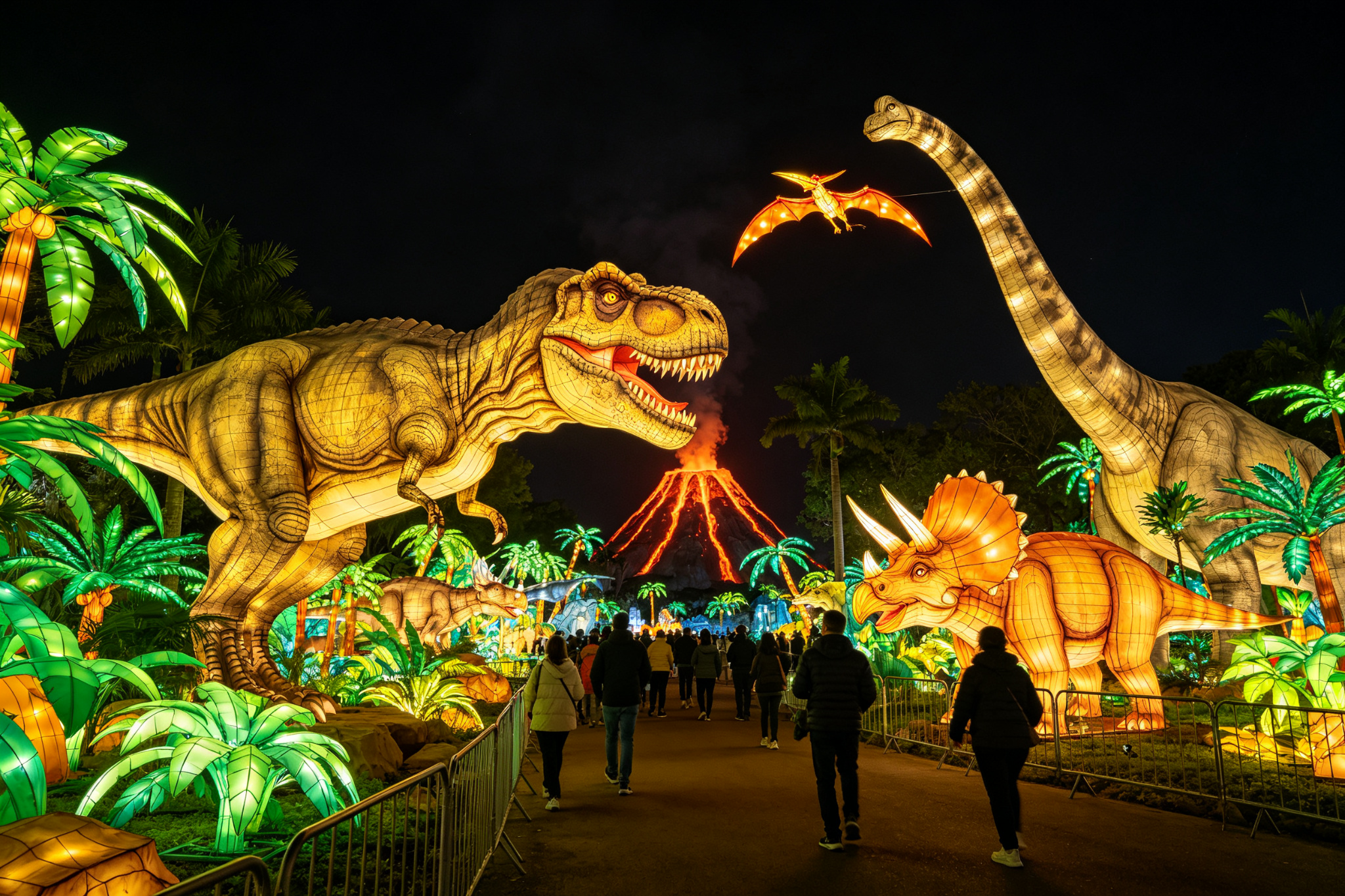
North America: Audiences favor interactive, photo-friendly pieces with broad appeal. Popular themes: dinosaurs, fantasy, underwater world, food. Include holiday-themed pieces for winter festivals.
Europe: Audiences appreciate artistic sophistication and cultural narrative. Popular themes: art history, mythology, architectural landmarks. European festivals often integrate with existing light art traditions.
Middle East: Audiences value grand scale and luxury. Popular themes: Arabian Nights, Islamic geometric patterns, desert oasis. Respect local customs regarding imagery and event timing (avoid Ramadan).
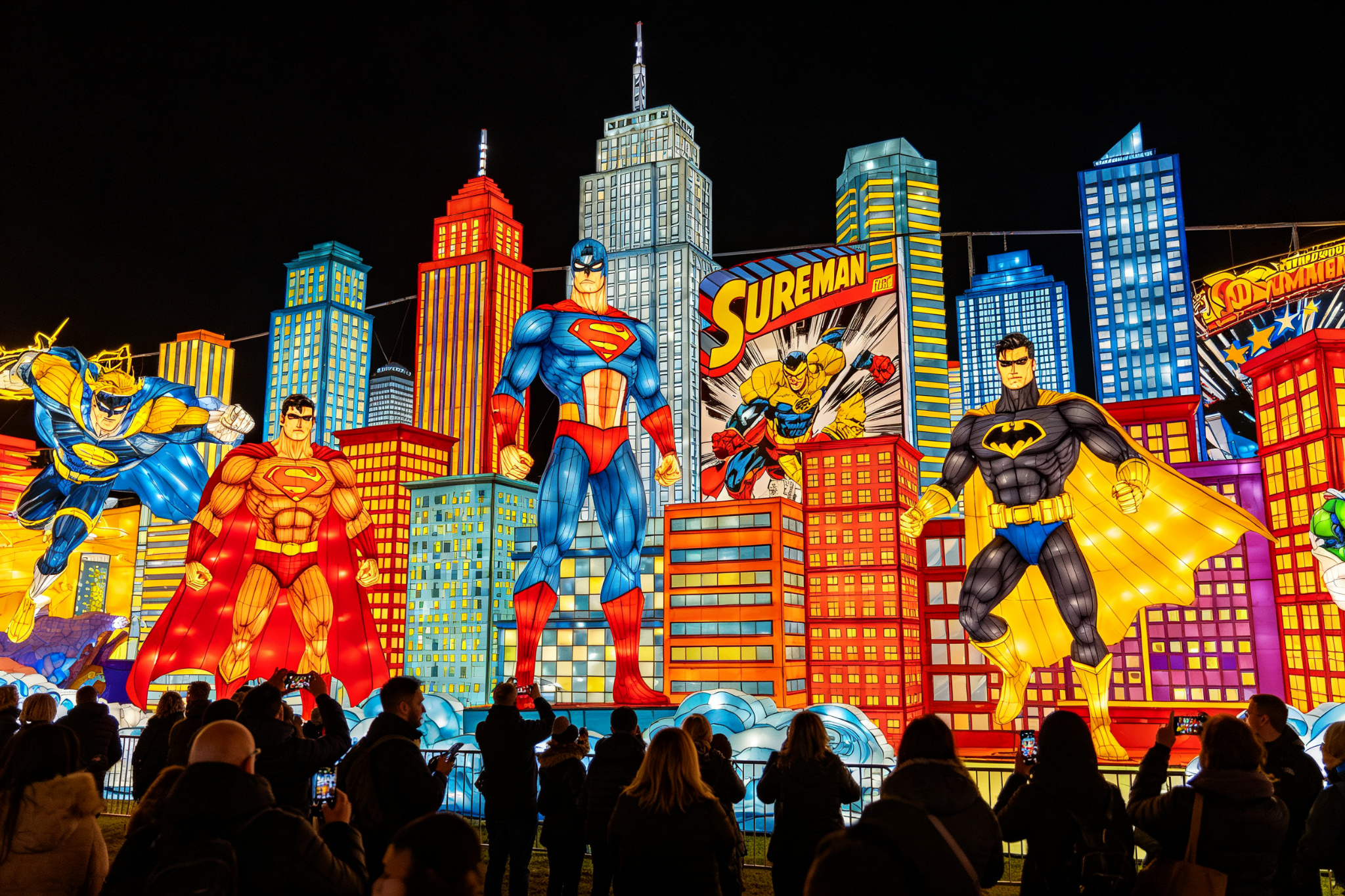
Asia-Pacific: Audiences have existing lantern familiarity, so innovation stands out. Popular themes: technology, pop culture, local folklore. Integrate with existing local festivals (Lunar New Year, Diwali).
Latin America: Audiences love vibrant colors and festive energy. Popular themes: Day of the Dead, carnival, nature. Pair with live music and dance performances.
Case Study: Cross-Cultural Festival in Brazil
For a festival in São Paulo, we designed zones featuring: Chinese mythology (dragons, Chang'e), Brazilian culture (Carnaval figures, Amazon rainforest), and a fusion zone (Chinese dragon with Brazilian color palette). The festival drew 280,000 visitors, with 85% of survey respondents saying the cultural mix enhanced their experience.
Our Cross-Cultural Process
At Zigong Sun Culture, every international project begins with cultural research and local stakeholder consultation. Our design team includes multilingual designers and cultural consultants. We present themed concepts for client review and refine based on local feedback. The result is a festival that feels both authentically crafted and locally relevant.
Contact us to discuss cross-cultural design for your international lantern festival project.