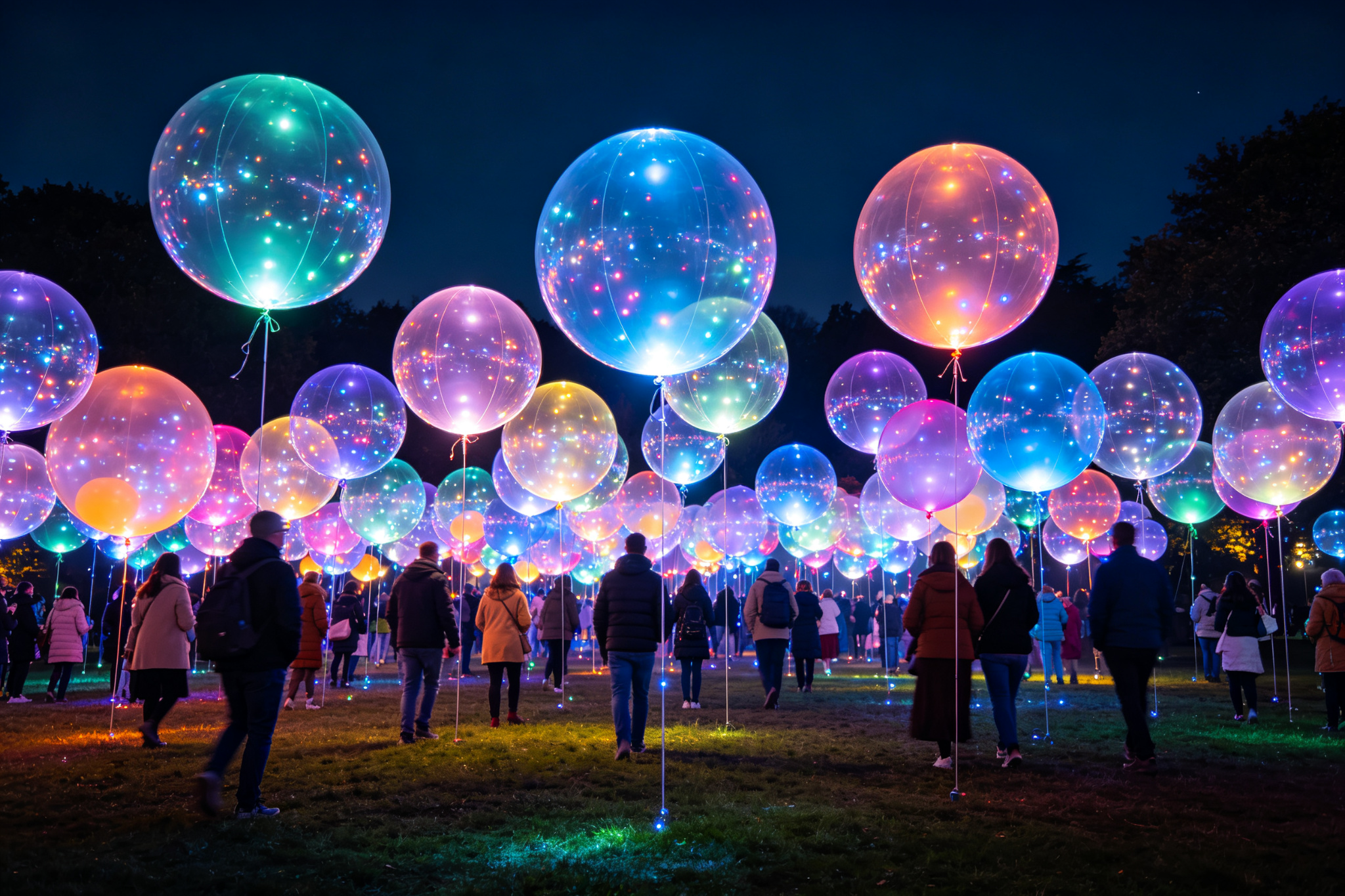
Capturing and Sharing the Magic
A lantern festival is inherently photogenic, but maximizing social media impact requires intentional design and strategy. This guide covers photography tips, social media optimization, and how to design your festival for maximum shareability.
Photography Tips for Lantern Festivals
Camera Settings: Use a tripod for low-light shots. ISO 800-3200 (balance noise vs. shutter speed), aperture f/4-f/8 (depth of field), shutter 1/30-1/4s (capture glow without motion blur). Shoot in RAW for post-processing flexibility.
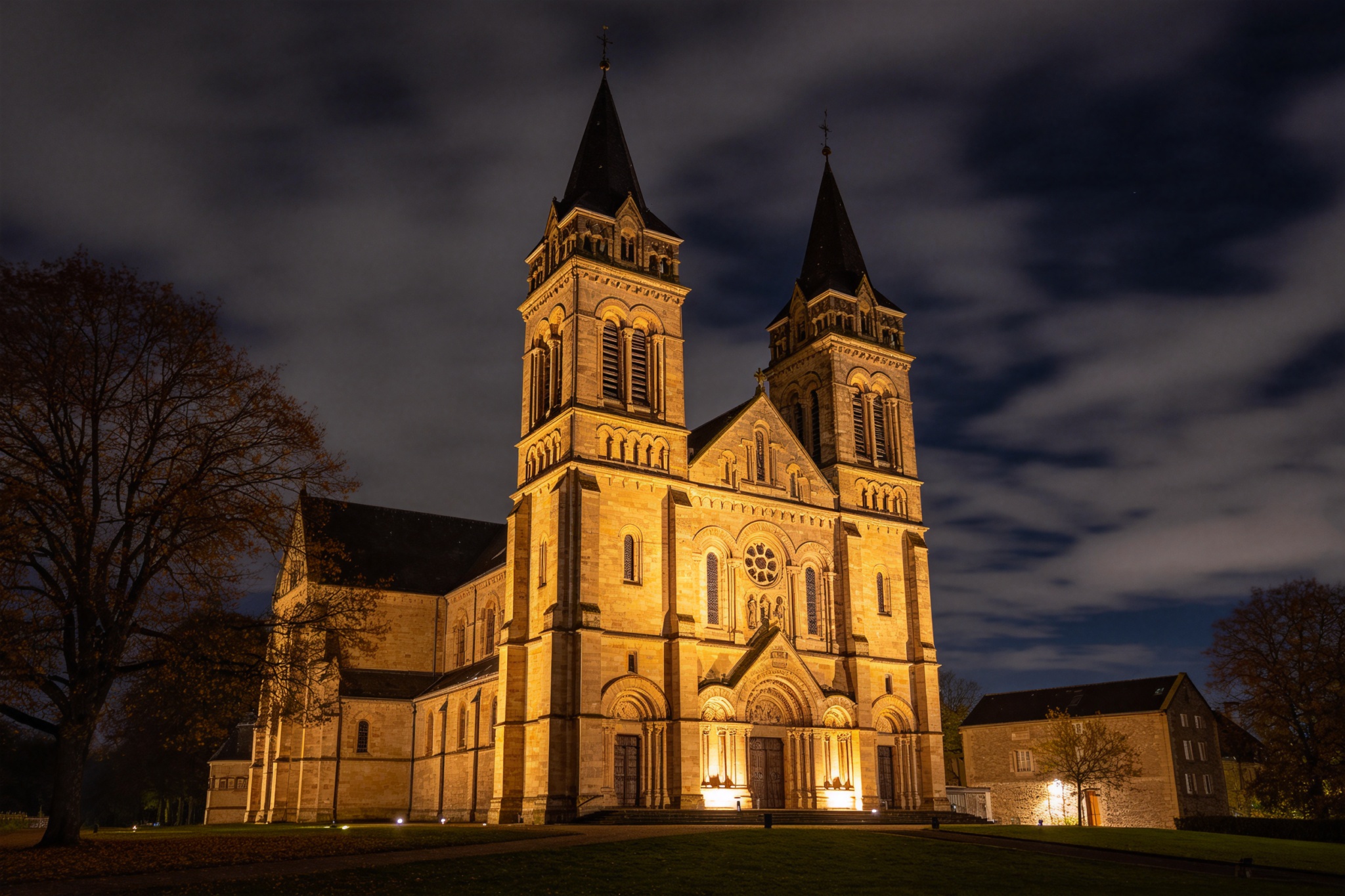
Best Times: Blue hour (20-30 minutes after sunset) provides a beautiful dark blue sky that complements warm lantern light. The first hour after opening has fewer crowds. Last hour before closing often has dramatic empty scenes.
Composition: Include people for scale (lanterns look more impressive with human reference). Use reflections (water, wet pavement) to double visual impact. Frame shots through archways or between lanterns for depth. Look for color contrasts (warm lanterns against cool sky).
Smartphone Tips: Use night mode, tap to focus on the brightest lantern, avoid digital zoom, use a portable tripod or steady surface. Clean your lens — smudges ruin night photos. Many of the best festival photos are shot on phones.
Designing for Social Media
The most shareable festivals are designed with photography in mind:
- Photo Hotspots: Design 3-5 specific "Instagram moments" — a dragon tunnel, a reflection pool, a lantern archway, an interactive piece. Place these at natural stopping points along the visitor path.
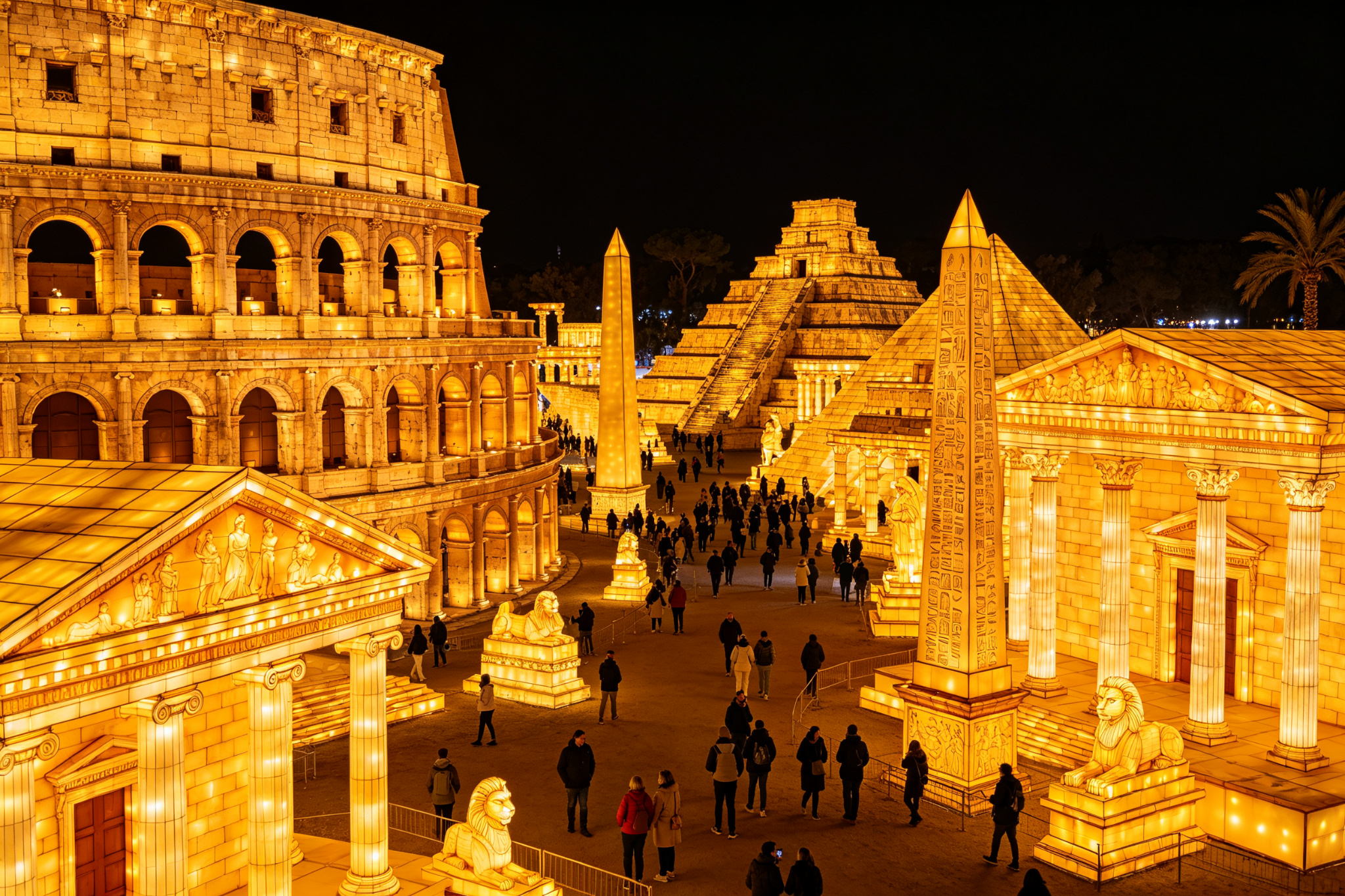
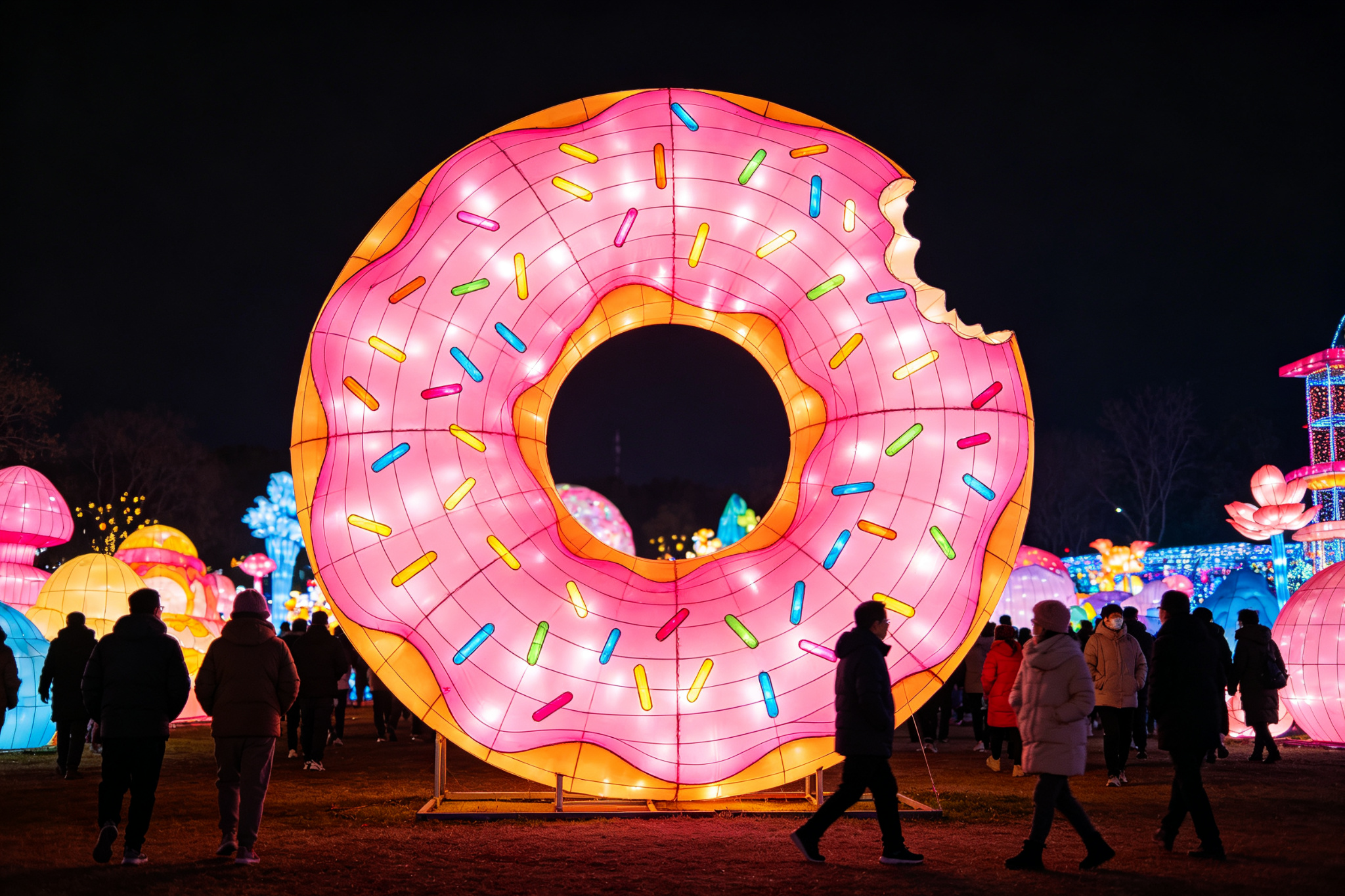
- Scale and Surprise: Giant pieces (10+ meters) create wow factor. Unexpected elements (a dragon emerging from trees, floating lanterns) generate curiosity shares.
- Color Harmony: Cohesive color palettes photograph better than random colors. Design zones with 2-3 dominant colors that complement each other.
- Interactive Elements: Touch-responsive pieces, photo frames, and costumed characters encourage posed photos that are more likely to be shared.
- Lighting for Faces: Photo hotspots should have enough ambient light for recognizable faces. Pure backlighting makes people look like silhouettes — less shareable.
Social Media Strategy
Platform Selection: Instagram (visual focus, best for festival photos), TikTok (short videos, trending sounds, reaches younger audiences), Facebook (event pages, local community, older demographics), YouTube (longer videos, behind-the-scenes content). Tailor content format to each platform.
Hashtag Strategy: Create a unique event hashtag (#CityLanternFest). Include industry tags (#lanternfestival #lightart #nightphotography). Encourage visitors to use the event hashtag with signage and announcements. Feature visitor photos on your official accounts.
Content Calendar: Pre-festival: teasers, behind-the-scenes, early-bird ticket promotions. During festival: daily highlights, visitor features, real-time updates. Post-festival: best-of compilations, thank-you posts, next-year announcements.
Influencer Partnerships: Invite local influencers (10K-100K followers) for preview nights. Their posts during the first week drive the majority of early ticket sales. Provide them with photo guides and suggested angles.
UGC Campaigns: Run photo contests with prizes (free tickets, merchandise, VIP experiences). Feature the best user-generated content on your channels. UGC feels authentic and reaches audiences you can't access through paid ads.
Measuring Social Media Success
Track: hashtag usage (target 5,000+ posts for medium festival), reach/impressions, engagement rate (likes/comments/shares), website traffic from social, and ticket sales attributed to social. Benchmark against similar events and improve year over year.
Our Social Media Support
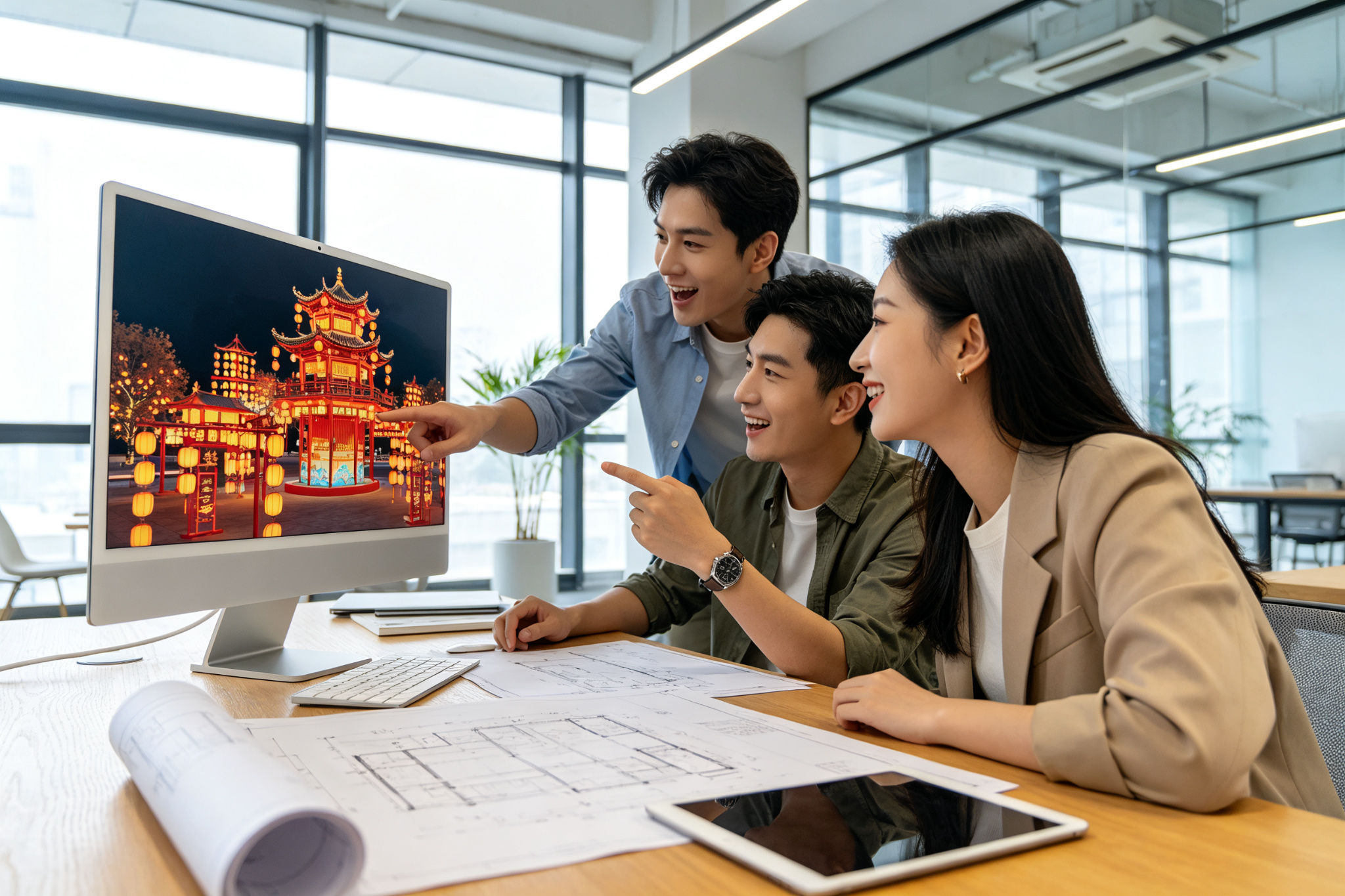
At Zigong Sun Culture, we provide: professional photography of your festival (for marketing use), social media content templates, hashtag recommendations, and guidance on designing photo-friendly layouts. We've seen festivals with strong social strategies achieve 2x the attendance of comparable events with weak social presence.
Contact us to discuss how to maximize your lantern festival's social media impact.