Lead Production Engineer | September 11, 2021
Electrical Infrastructure for Large Scale Lantern Displays

Zhang Yu
Lead Production Engineer
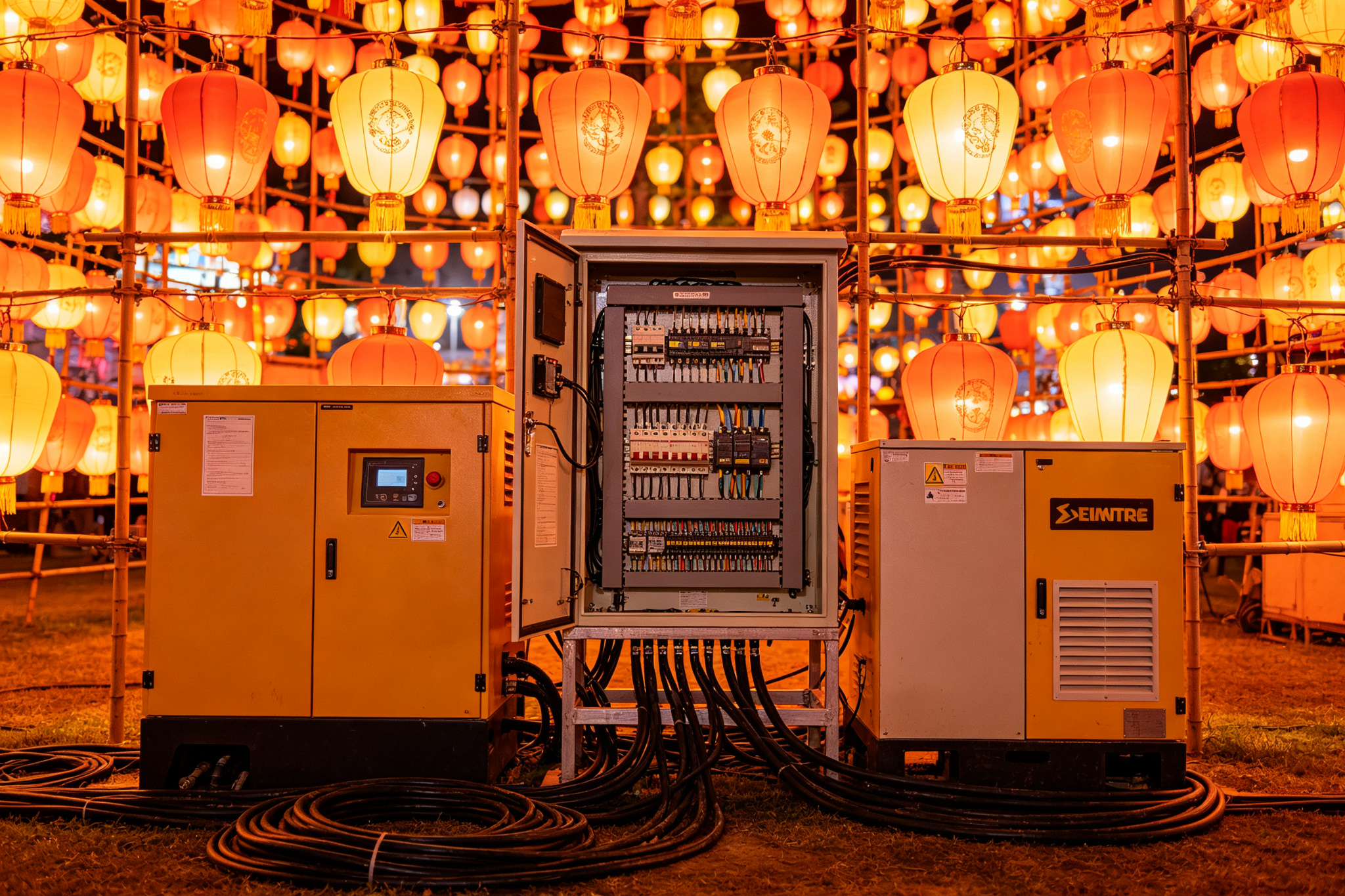
Complete electrical infrastructure guide for large scale lantern displays including power distribution, load calculation, and backup generators.
Introduction
In today's competitive event and lighting industry, understanding the nuances of electrical infrastructure for large scale lantern displays is essential for success. This comprehensive guide draws on our 15+ years of experience producing lantern festivals and light installations worldwide, providing actionable insights that professionals can apply immediately.
Whether you are a first-time organizer or an experienced event producer, the principles outlined in this article will help you make informed decisions, avoid common pitfalls, and achieve outstanding results. We cover everything from initial planning through final execution and post-event analysis.
Key Concepts and Fundamentals
Before diving into specifics, it is important to establish a solid foundation. The core principles of electrical infrastructure for large scale lantern displays include careful planning, quality materials, skilled craftsmanship, and attention to detail. Each element plays a crucial role in the final outcome.
Our production facility in Zigong, China, combines traditional lantern-making techniques passed down through generations with modern manufacturing technology. This unique blend allows us to create products that are both authentically crafted and engineered for durability and safety.
Planning and Preparation
Successful projects begin with thorough planning. We recommend starting with a clear vision statement, followed by site assessment, budget development, and timeline creation. Our team works closely with clients during this phase to ensure all requirements are captured and expectations are aligned.
Key planning documents include concept sketches, 3D renderings, technical specifications, and production schedules. These documents serve as the blueprint for the entire project and help prevent costly changes later in the process.
Production and Quality Control
Our 8-stage quality control process ensures every product meets international standards. From raw material inspection through final testing, each lantern undergoes rigorous examination. We are CE, ISO9001, ISO14001, and UL certified, giving clients confidence in our products' safety and quality.
Production timelines vary based on project complexity. Standard products typically require 30-45 days, while custom large-scale installations may need 60-90 days. We provide regular progress updates with photos and videos throughout production.
Installation and On-Site Support
Professional installation is critical for safety and visual impact. Our experienced installation teams have completed projects in over 30 countries, adapting to diverse climates, venues, and regulatory requirements. We provide comprehensive installation guides and can send technicians on-site for complex projects.
Post-installation support includes maintenance training, spare parts kits, and remote technical assistance. We stand behind our products with comprehensive warranties and responsive customer service.
Project Management for Large Scale Lantern Display Installations
Large scale lantern display installations require meticulous project management to ensure safety, quality, and timely completion. A comprehensive project plan should include: detailed work breakdown structures, critical path scheduling, resource allocation plans, risk registers, and communication protocols. We assign a dedicated project manager to every large scale installation, supported by a site supervisor, lead electrician, and experienced installation crew. Daily progress reports, weekly client updates, and milestone review meetings keep all stakeholders informed and aligned throughout the installation period.
Site preparation is often underestimated but critical for smooth installation. The venue should be cleared of obstacles, with designated areas for unloading, assembly, and storage. Access roads must accommodate delivery trucks (typically 40-foot containers), and crane or lift equipment should be arranged in advance for large pieces. Electrical infrastructure — including sufficient power capacity, distribution panels, and weatherproof outlets — must be installed and tested before the lantern crew arrives. Ground conditions should be assessed for load-bearing capacity, with ground protection mats specified for grass or soft surfaces. We provide detailed site preparation checklists 4-6 weeks before installation begins.
Commissioning and testing represent the final critical phase before public opening. Each display zone undergoes: structural inspection (bolt torque, anchor verification, stability testing), electrical testing (ground continuity, insulation resistance, load testing), lighting programming and synchronization, and a full illuminated test run of at least 4 hours. We conduct a formal walkthrough with the client and venue management, addressing any items on a punch list. A soft opening with a limited audience is recommended before the public launch, allowing final adjustments and staff training. Post-opening, our team provides 24/7 on-call support for the first week, followed by regular maintenance visits throughout the event run period.
Expert Q&A
Q: What wind speeds can large lantern displays withstand?
A: Our standard frameworks are engineered for sustained winds up to 60 km/h (37 mph) with gusts to 80 km/h (50 mph). For high-wind locations, we add reinforced bracing, heavier base weights, and wind monitoring systems that automatically trigger safe shutdown procedures. We always review local wind data during the design phase.
Q: How much power does a large scale display require?
A: Power consumption varies by display size and LED density. A typical large festival with 30-50 pieces uses 30-60 kW total, comparable to a medium-sized event lighting setup. We provide detailed power requirements per zone, recommend generator capacity if grid power is insufficient, and can design solar-hybrid systems for remote locations.
Q: Do you handle permits and inspections for large installations?
A: We provide all technical documentation required for permits — structural calculations, electrical schematics, safety data sheets — and can coordinate with your local authorities. However, permit issuance is the responsibility of the local event organizer, as requirements vary significantly by jurisdiction. We support the process with prompt responses to any technical questions.
Conclusion
Electrical Infrastructure for Large Scale Lantern Displays represents a significant opportunity for event organizers, cities, and businesses to create memorable experiences that drive engagement and revenue. By following the principles outlined in this guide and partnering with an experienced manufacturer, you can achieve exceptional results.
Zigong Sun Culture has been a trusted lantern festival manufacturer for over 15 years, serving clients across North America, Europe, Asia, and the Middle East. Contact us today to discuss your project and receive a free consultation and quote.
Practical Insights and Expert Recommendations
Shipping and installation represent significant considerations for international lantern projects. A typical 40-foot container holds 8-15 large lanterns depending on size, with sea freight taking 25-35 days to most destinations. Installation requires 1-4 weeks depending on project scale, with our team providing professional setup, electrical connection, and lighting programming. Factor these timelines into your event planning: begin production 4-6 months before your desired opening date to allow for production, shipping, and installation without rushing.
Material quality directly impacts lantern lifespan and appearance. We use galvanized steel for all frames (never iron, which rusts quickly), waterproof PVC-coated silk for skins (not regular fabric that fades and tears), and SMD5050 RGB LEDs for lighting (not cheap single-color bulbs). These material choices result in lanterns that last 5-8 years with proper maintenance, compared to 1-2 years for lower-quality alternatives. Always ask suppliers about specific material specifications before purchasing, as visual similarity does not guarantee equivalent durability.
About the Author
Zhang Yu - Lead Production Engineer
A certified production engineer with 12 years in lantern manufacturing, Zhang Yu specializes in quality control, structural engineering, and CE/ISO compliance for export products.
Frequently Asked Questions
Q: What are the key considerations for electrical infrastructure for large scale lantern displays?
A: The key considerations include thorough planning, quality sourcing, proper installation, and ongoing maintenance. Each project requires careful assessment of site conditions, budget constraints, and timeline requirements.
Q: How much does a typical project related to electrical infrastructure for large scal cost?
A: Costs vary significantly based on scale, complexity, and location. Projects typically range from $5,000 for small installations to $500,000+ for large-scale festivals. We provide detailed quotes after initial consultation.
Q: What is the timeline for implementing electrical infrastructure for large scal?
A: Most projects require 3-9 months from initial concept to completion. Smaller projects can be delivered in 6-8 weeks, while large-scale festivals typically need 6-9 months for design, production, and installation.
Quality verification should occur at multiple stages, not just upon delivery. Request photographic documentation at key production milestones: raw material arrival, frame completion, skin application, painting, LED installation, and final assembly. This allows issues to be identified and corrected early, when modifications are far less costly and time-consuming. For high-value projects, consider hiring a third-party inspection service to conduct an on-site quality check before shipment. We welcome client inspections at our Zigong facility and provide live video tours upon request, with full access to production floors, quality control areas, and finished product inventory.
Budget planning should account for the full project lifecycle, not just initial production costs. Typical breakdown: design and engineering (8-12%), production and materials (45-55%), crating and shipping (10-15%), installation and labor (10-15%), permits and insurance (3-5%), marketing and promotion (5-8%), and contingency reserve (5-10%). Underestimating shipping or installation costs is the most common budget overrun cause. Always request all-inclusive quotes that cover every cost category, and build a 10% contingency into your budget for unexpected expenses. We provide transparent, itemized quotes with no hidden fees, and our project managers help clients optimize budgets without compromising quality or visual impact.
Ready to Start Your Project?
Contact Zigong Sun Culture for a free consultation and custom quote.
Get in Touch